At the heart of SEVEN RHINOS LUXURY lies a deep commitment to conservation, led by founder Raj Desai. His work goes beyond safaris and photography, creating real impact for wildlife and communities across India.
Community Empowerment:
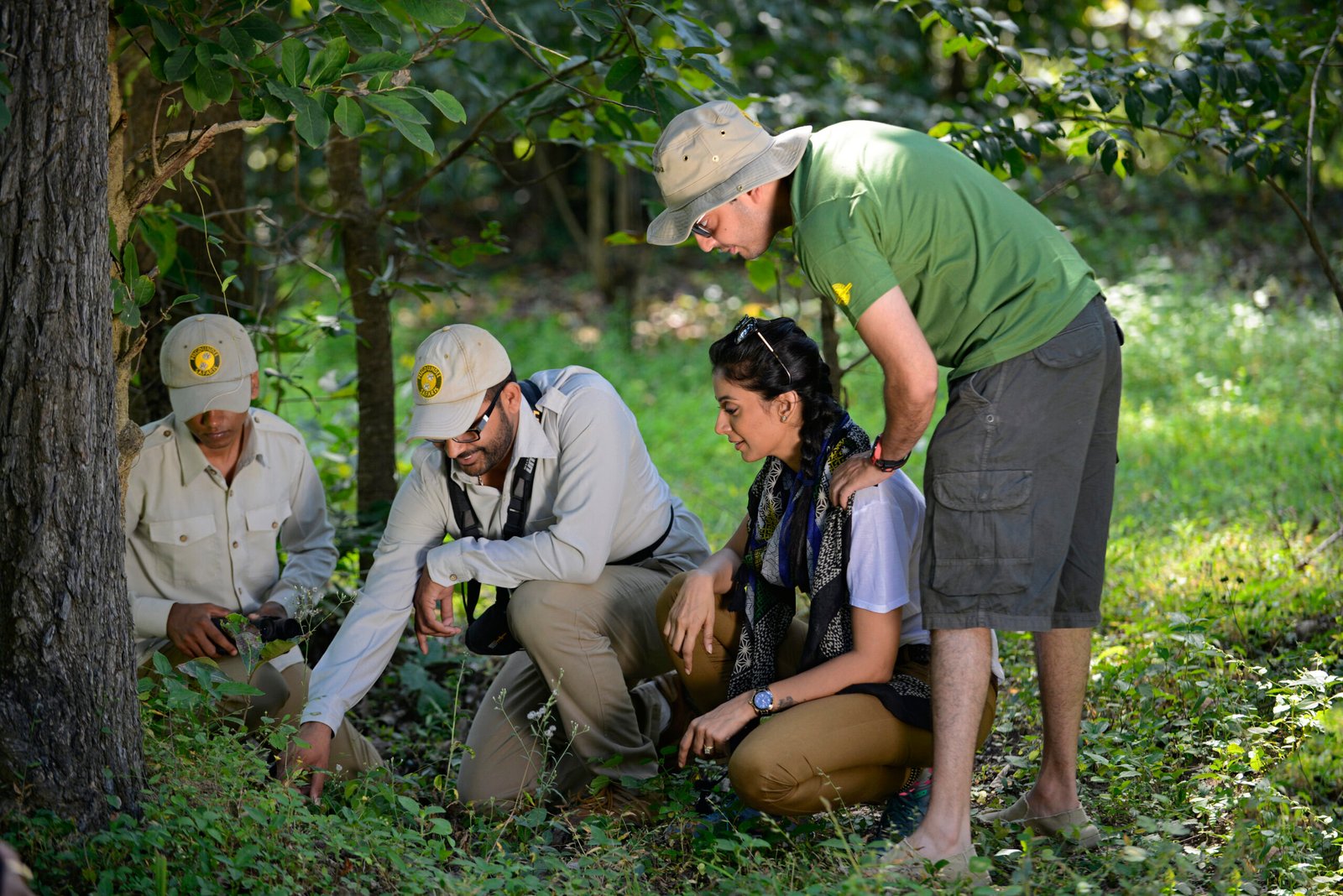
Educated and raised awareness among former poachers, transforming them into naturalists and bird guides. This not only protects wildlife but also creates sustainable livelihoods.
Wildlife Research:
Conducted extensive field research with local communities in remote regions, leading to the discovery of new wildlife species and spreading awareness about their protection.
Festivals & Awareness Programs:
Organized bird and animal conservation festivals and awareness programs in collaboration with the Forest Department and local communities, fostering pride and responsibility for natural heritage.
Rescue Operations:
Actively participated in numerous wildlife rescue missions—including leopards and snakes entering human settlements—ensuring the safety of both animals and people.
Education & Advocacy:
Continues to inspire through workshops, photography circuits, and conservation storytelling, building a new generation of nature guardians.
Raj Desai’s conservation journey blends science, community, and compassion. By turning challenges into opportunities, he has created pathways where wildlife thrives, communities prosper, and guests experience authentic, conservation-aligned travel.
Snake Rescue Operations:
Rescued 1,200+ snakes from human settlements, the majority of them highly venomous, protecting both wildlife and local communities.
Community Collaboration:
Partnered with the Forest Department and local communities in conservation activities, building awareness and trust.
Research & Awareness:
Documented wildlife behavior with local residents, spreading knowledge about coexistence and protection.
Festivals & Programs:
Supported bird and animal conservation festivals, creating platforms for education and celebration of biodiversity.
Rescue & Rehabilitation:
Assisted in relocating wild animals such as leopards and snakes from human habitats to safer environments.
Visionary Project:
Dreams of establishing an Animal Dumping & Rehabilitation Site to restore and protect highly threatened species—especially vultures in Gujarat and Maharashtra.
Vultures, once abundant, are now critically endangered. Mitul’s project envisions:
Safe Feeding Sites: Controlled “vulture restaurants” with safe carcasses to ensure food security.
Habitat Restoration: Protecting nesting cliffs and roosting trees in collaboration with the Forest Department.
Community Guardians: Training local youth as vulture protectors and bird guides.
Research & Monitoring: Scientific studies on vulture migration, breeding, and survival.
Awareness Campaigns: Bird festivals, school workshops, and conservation drives to highlight their ecological importance.
Together, Raj and Mitul embody the ethos of Seven Rhinos:
Wildlife thrives through rescue, research, and habitat restoration.
Communities prosper through education, employment, and empowerment.
Guests connect deeply with India’s wilderness, experiencing conservation-aligned luxury travel.
Jat M.H. is a committed conservationist who has worked extensively with the Forest Department of Gujarat, contributing to scientific wildlife monitoring and community-based awareness programs.
Scientific Wildlife Census:
Actively involved in official animal counts for Asiatic lions in Gir National Park, ensuring accurate population data for long-term conservation.
Participated in leopard census projects across South Gujarat, helping track population health and habitat use.
Bird Census & Festivals:
Supported and organized multiple bird census programs in collaboration with local communities and the Forest Department.
Helped arrange bird and animal conservation festivals, creating platforms for education, awareness, and celebration of biodiversity.
Community Engagement:
Worked closely with villagers and local youth to spread awareness about wildlife protection.
Encouraged participation in conservation activities, turning communities into active stakeholders in protecting their natural heritage.