Overview — India’s Oldest and Most Atmospheric Tiger Reserve
Jim Corbett is where India’s tiger conservation legacy began — a breathtaking landscape of Himalayan foothills, dense sal forests, broad grasslands, wild rivers and deep valleys. Established in 1936, it is India’s oldest national park and the birthplace of Project Tiger.
Corbett’s Dhikala zone is one of the most iconic safari landscapes in Asia, offering unparalleled views of elephants, tigers and deer moving across vast grasslands with the Ramganga River flowing alongside. With Seven Rhinos, your journey becomes a luxury wilderness immersion — personalised safaris, mindful pacing and rich naturalist-led storytelling in a forest that blends history, grandeur and wild beauty.
Location & Access
Nearest Airport: Pantnagar — ~80 km
Alternate Airport: Dehradun — ~180 km
Nearest Railway Station: Ramnagar — ~12 km (excellent accessibility)
By Road: Well connected from Delhi, Nainital, Dehradun, Haldwani and Kathgodam
Best Season: November to June
Highlights — What Makes Corbett Extraordinary
India’s oldest tiger reserve and a historic conservation landmark
The iconic Dhikala zone — unmatched grassland safaris along the Ramganga River
A dramatic Himalayan foothill setting with mountains, valleys and riverbeds
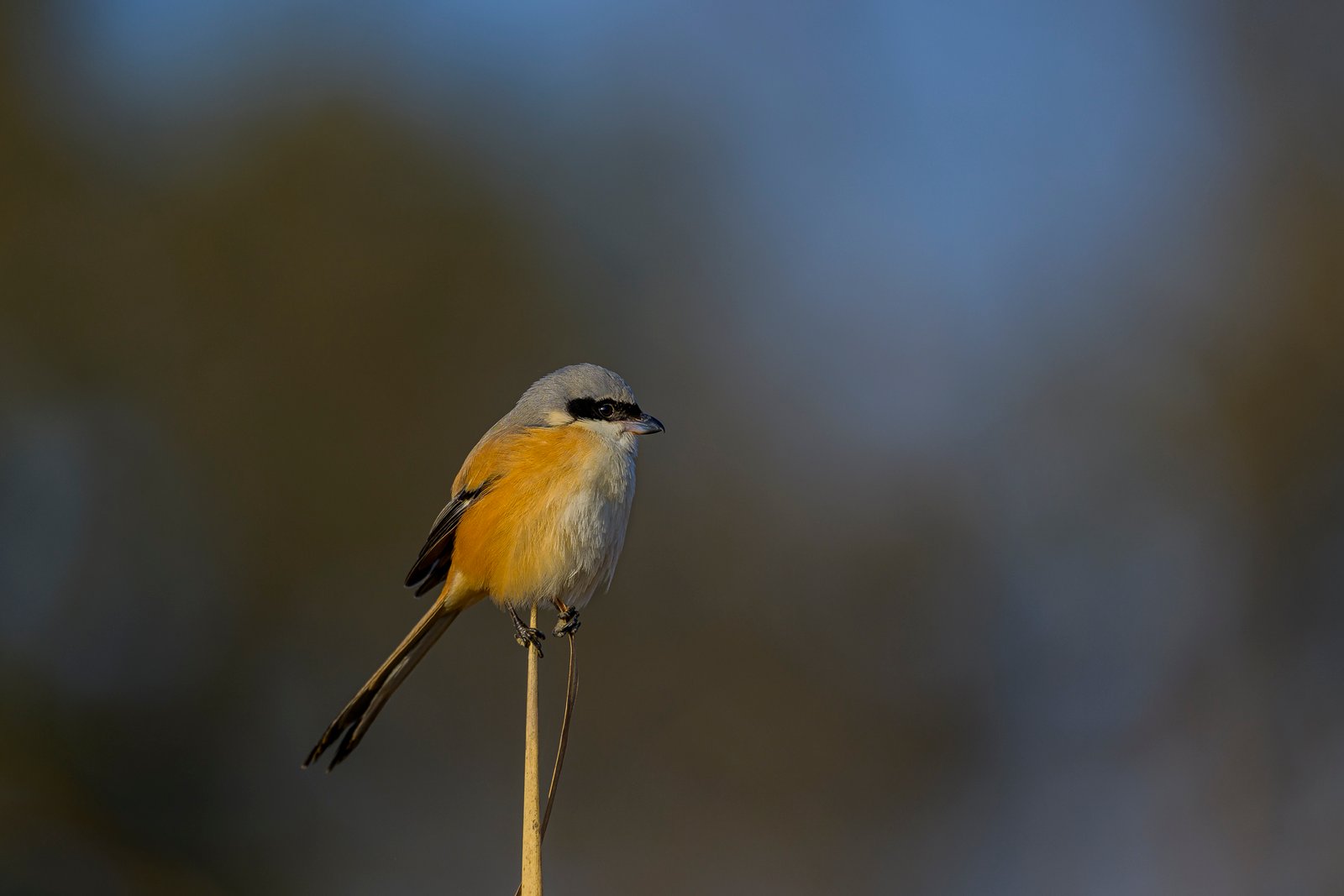
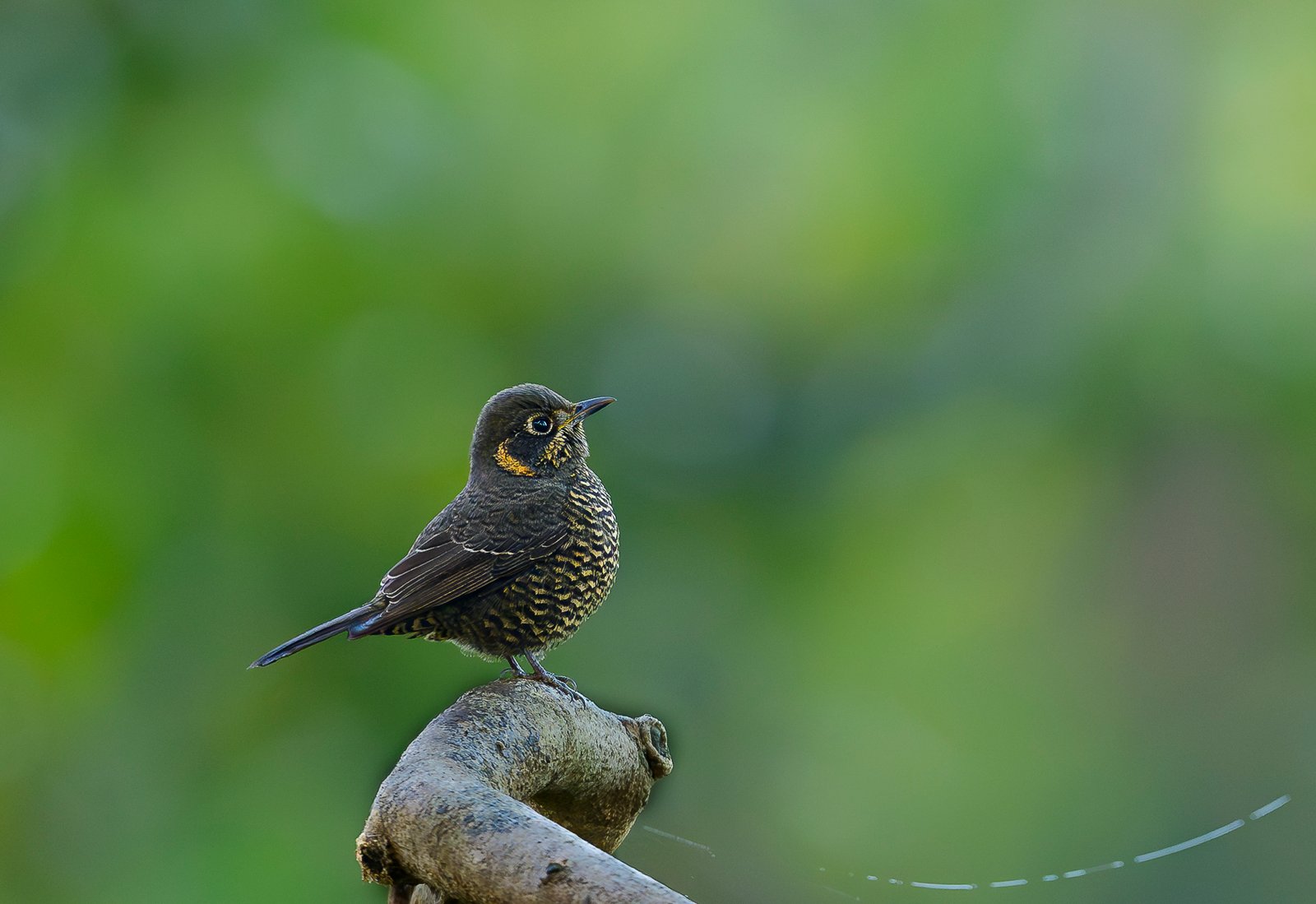
Over 550 bird species — Corbett is one of India’s finest birding destinations
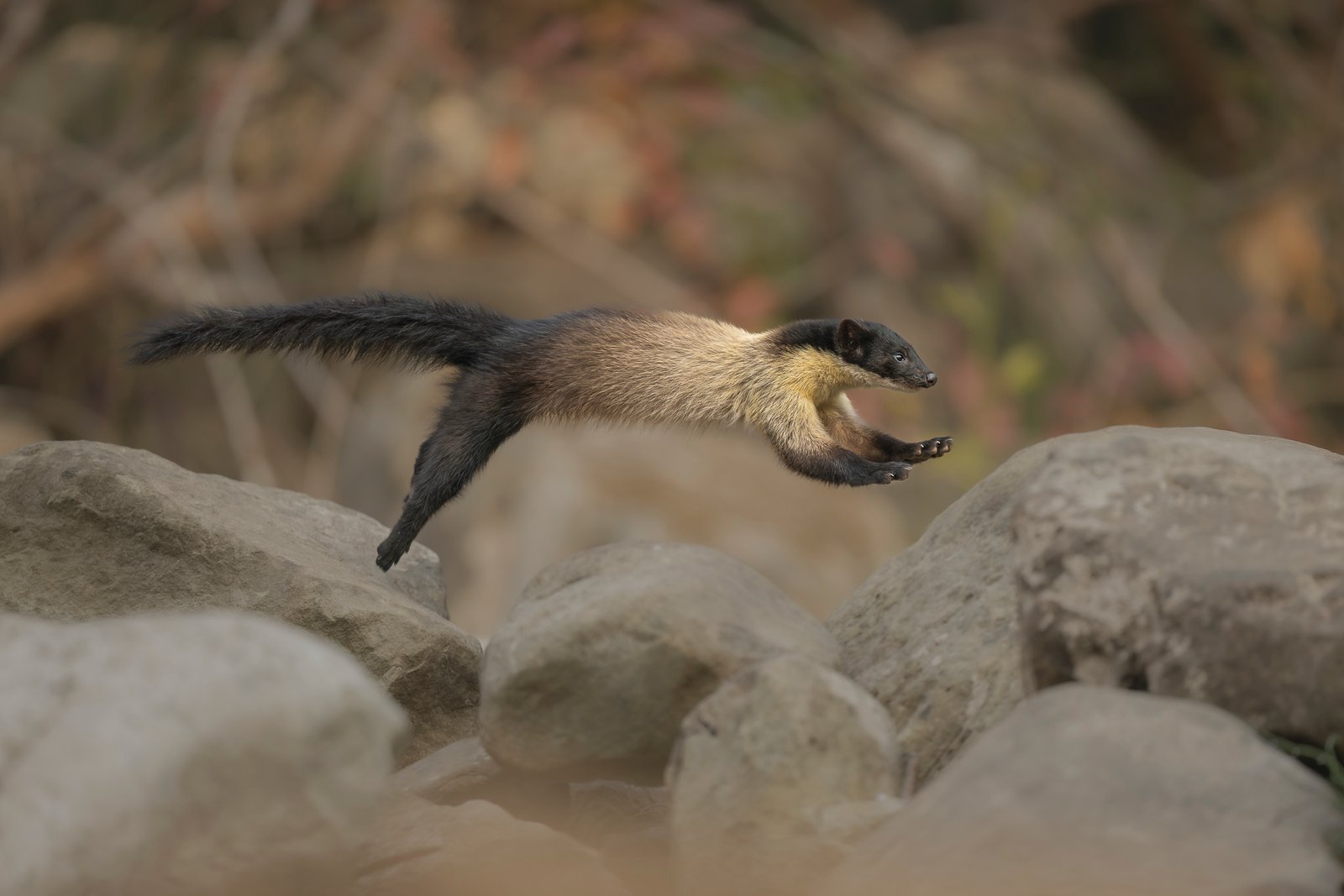
One of the few reserves where you may see yellow throated martin, ghariyals, and smooth-coated otters
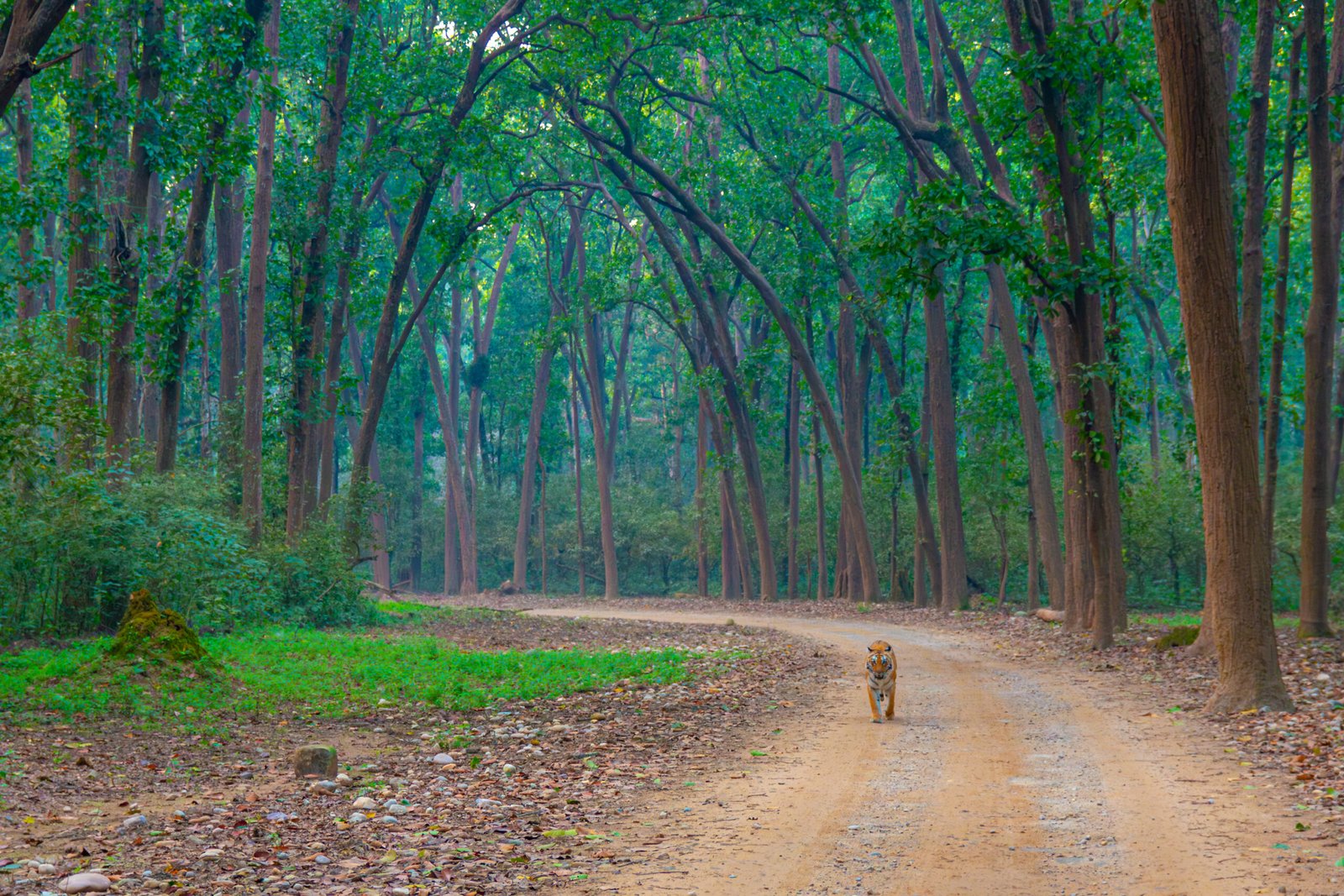
A wide variety of habitats: riverine forests, chaurs (grasslands), sal forest, foothill slopes and gravel riverbeds
Exceptional opportunities for landscape-focused wildlife photography
The Land & Its Wildlife
A Mosaic of Habitats Sal forests, mixed deciduous woodland, vast chaurs (grasslands), riverine belts, gravel riverbeds, foothill slopes, streams and the Ramganga reservoir.
No other Indian tiger reserve offers such a dramatic combination of mountains + rivers + grasslands. Animal Life
Flagship species: Bengal tiger, Indian leopard, Asian elephant
Other mammals: hog deer, sambar, chital, barking deer, wild boar, otter, yellow-throated marten, goral (in higher elevations)
Reptiles & aquatic life: gharial, mugger crocodile, turtles, river fish diversity Seasonal Rhythms
Winter: Crisp light, dramatic landscapes, peak bird activity, excellent elephant and tiger movement
Summer: High visibility around riverbeds; wildlife concentrates near water and chaurs
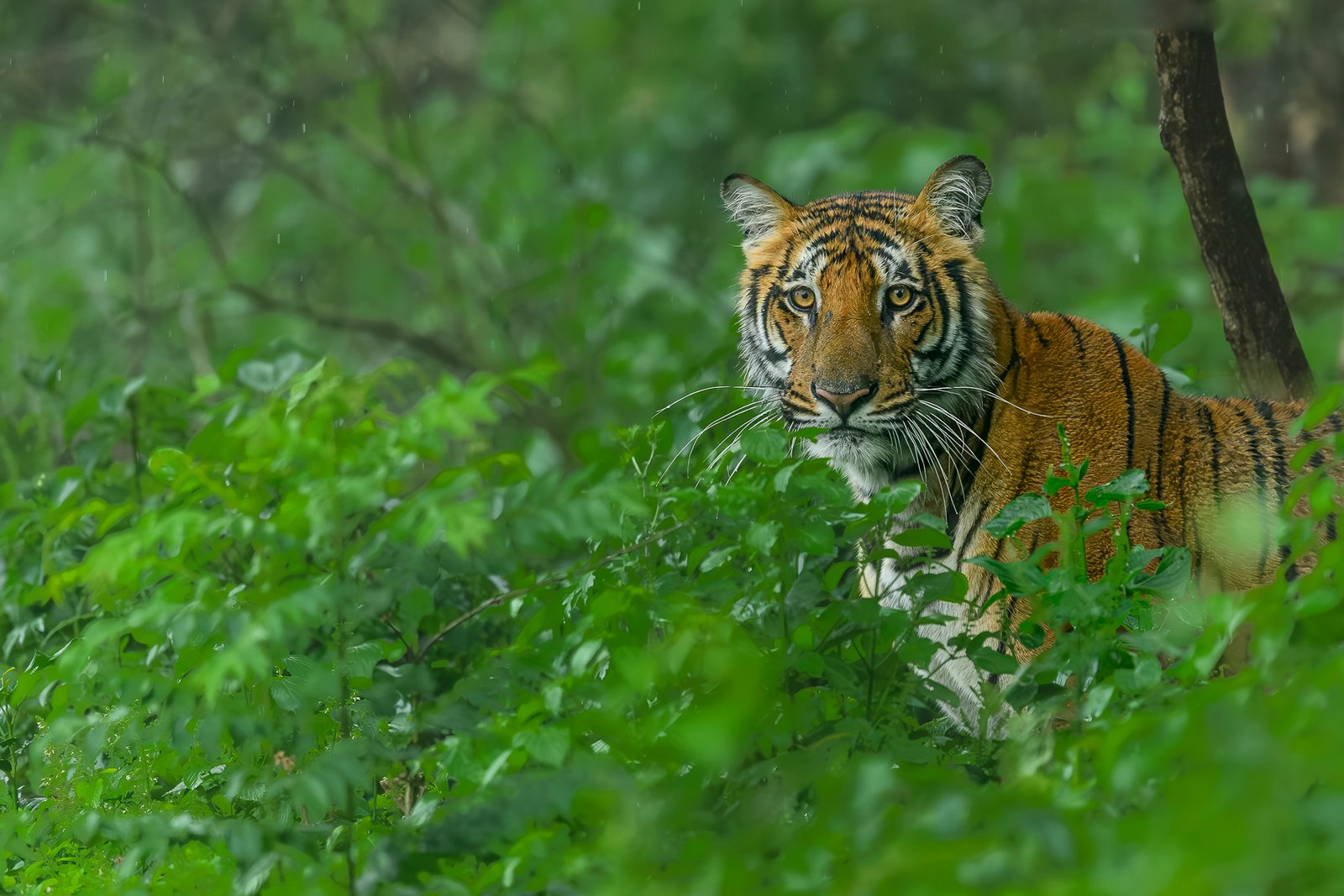
Post-Monsoon: Brilliant greens, flowing streams, dense vegetation with high birdlife Conservation Notes Corbett is a cornerstone of India’s tiger conservation effort and holds one of the strongest tiger populations in the country. It also protects key riverine ecosystems and supports a rich guild of mammals, birds and aquatic species.
Seven Rhinos Luxury Experiences
Signature Jeep Safaris — personalised drives led by expert naturalists in premium zones
Dhikala Grassland Experience: sweeping views of elephants, tigers and deer in a legendary setting
Picnic Breakfasts overlooking riverbeds or grassland clearings
Birding Excursions: Corbett is unparalleled for raptors, river birds and Himalayan foothill species
River & Valley Exploration: gravel riverbeds, forest edges, riverine viewpoints
Slow Travel Touches: stargazing, hammock time, sunset tea by the Ramganga, nature journaling
Naturalist-led Storytelling: Jim Corbett’s legacy, Himalayan ecology, river systems, predator–prey dynamics
Summer (Mar–Jun): Best visibility; animals frequent riverbeds and chaurs, offering superb tiger and elephant encounters.
Photography Insights
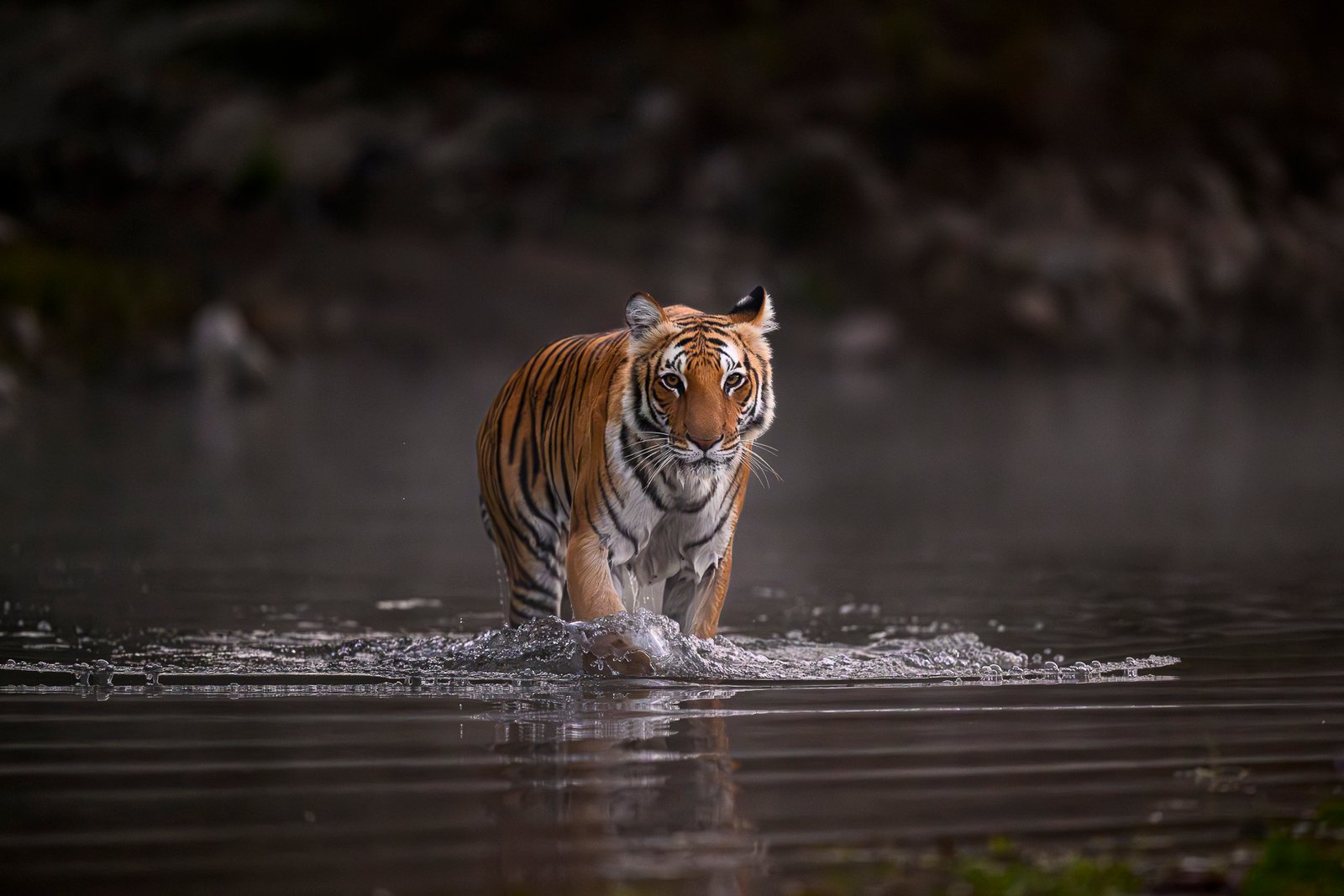
Corbett’s photography is defined by its mountain vistas, wide grasslands and riverine backdrops. Tigers often appear along riverbeds or walk across open chaurs, creating clean, expansive frames.
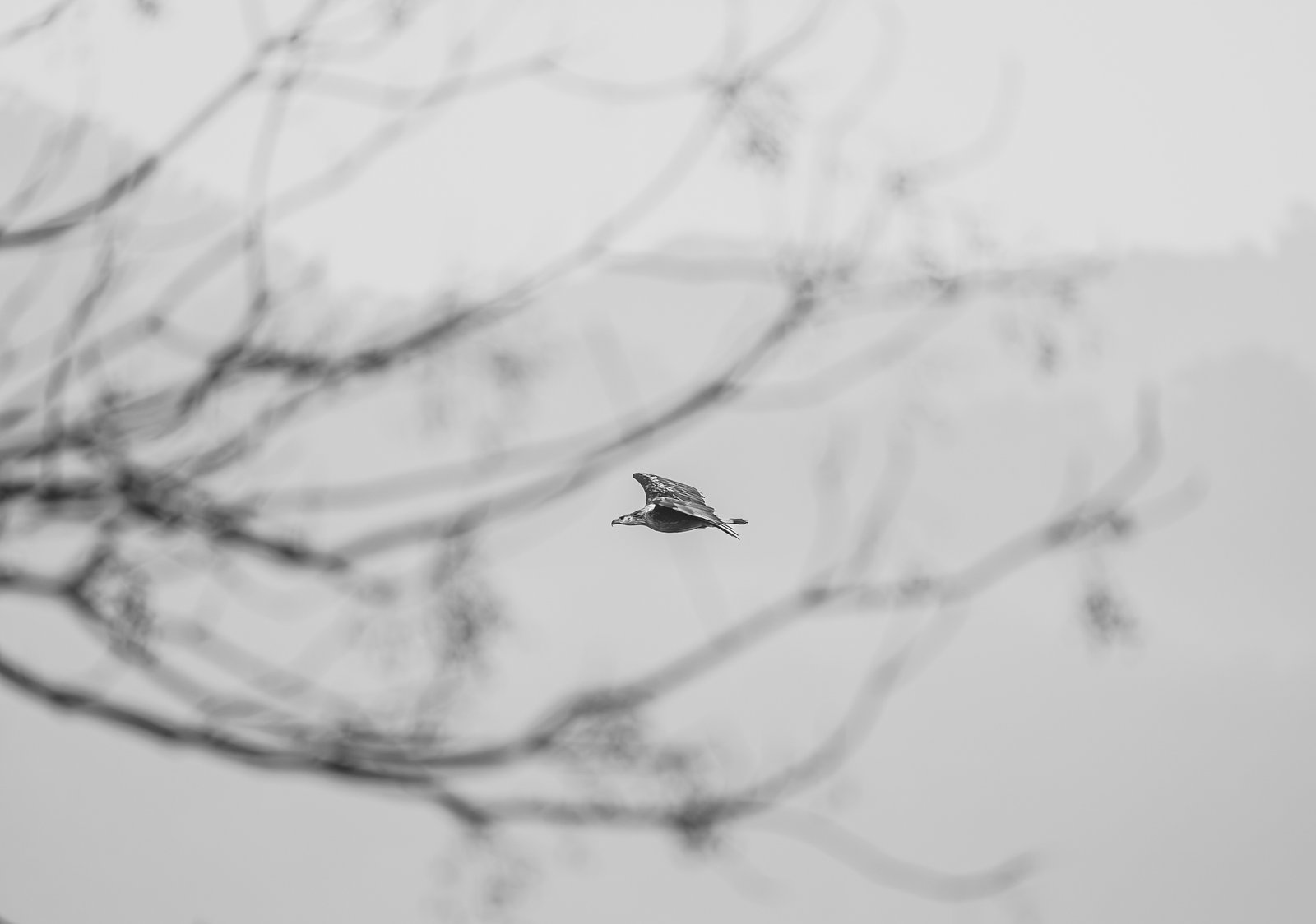
Elephants in the misty Dhikala grasslands, raptors soaring over foothill ridges and reflections on still water offer editorial-style compositions.
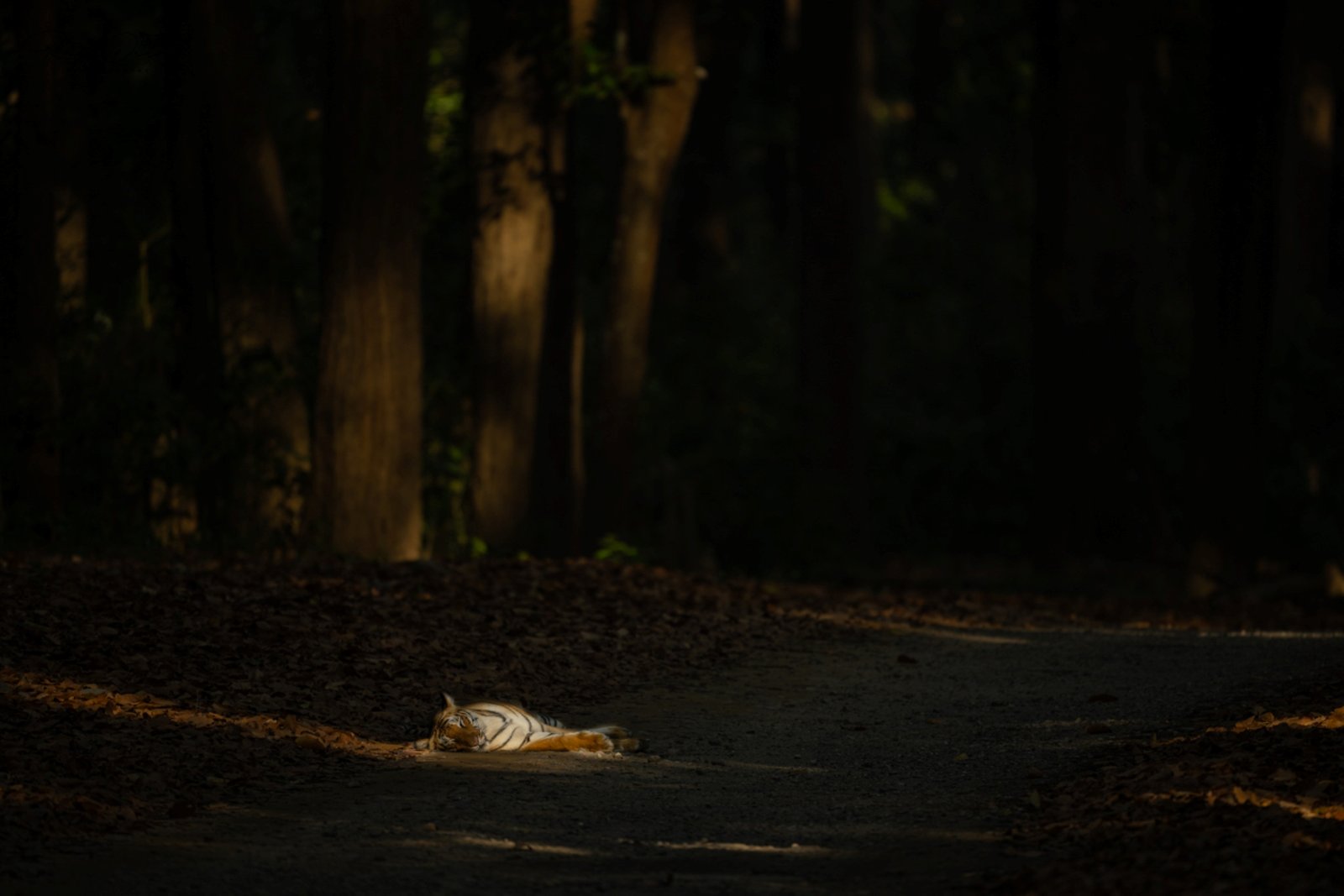
Corbett naturally blends intimate wildlife portraits with sweeping Himalayan landscape shots — a rare combination in Indian tiger reserves.
Why Travel With Seven Rhinos — The Luxury Advantage
Expert naturalists with deep knowledge of Corbett’s landscape and wildlife behaviour
Small-group, ethical safari philosophy
Seamless logistics and handpicked premium accommodations
Thoughtfully paced itineraries balancing exploration and restoration
Ideal for families, couples, photographers and discerning travellers
Journeys shaped by heritage, ecology and refined storytelling