Overview — The River Jewel of India’s Dry Heartland
Panna is a landscape defined by stone, river and sky. Here, the Ken River slices through dry teak forests, sandstone canyons, elevated plateaus and ravines, creating one of India’s most dramatic wilderness backdrops. Unlike other Central Indian reserves, Panna’s beauty lies in its rugged dryness — vast open plateaus, thorny scrub edges, red rock cliffs and wide horizons.
Once declared empty of tigers, Panna now stands as India’s greatest conservation comeback, where scientific reintroduction revived an entire ecosystem. With Seven Rhinos, your journey becomes a luxury retreat into raw, elemental nature — signature safaris, river experiences, curated storytelling and a personalised pace that reveals Panna’s quiet, powerful character.
Location & Access
Nearest Airport: Khajuraho — ~25–30 km (exceptional access; one of India’s closest airports to a tiger reserve) Alternate Airport: Jabalpur — ~235 km Nearest Railway Stations: Khajuraho — ~30 km | Satna — ~90 km By Road: Excellent connectivity from Khajuraho, Satna, Panna town, Chhatarpur and Mahoba Best Season: October to June
Highlights — What Makes Panna Extraordinary
A striking dry deciduous landscape with plateaus, ravines and sandstone cliffs
The Ken River — canyons, gorges, waterfalls and lush riparian pockets
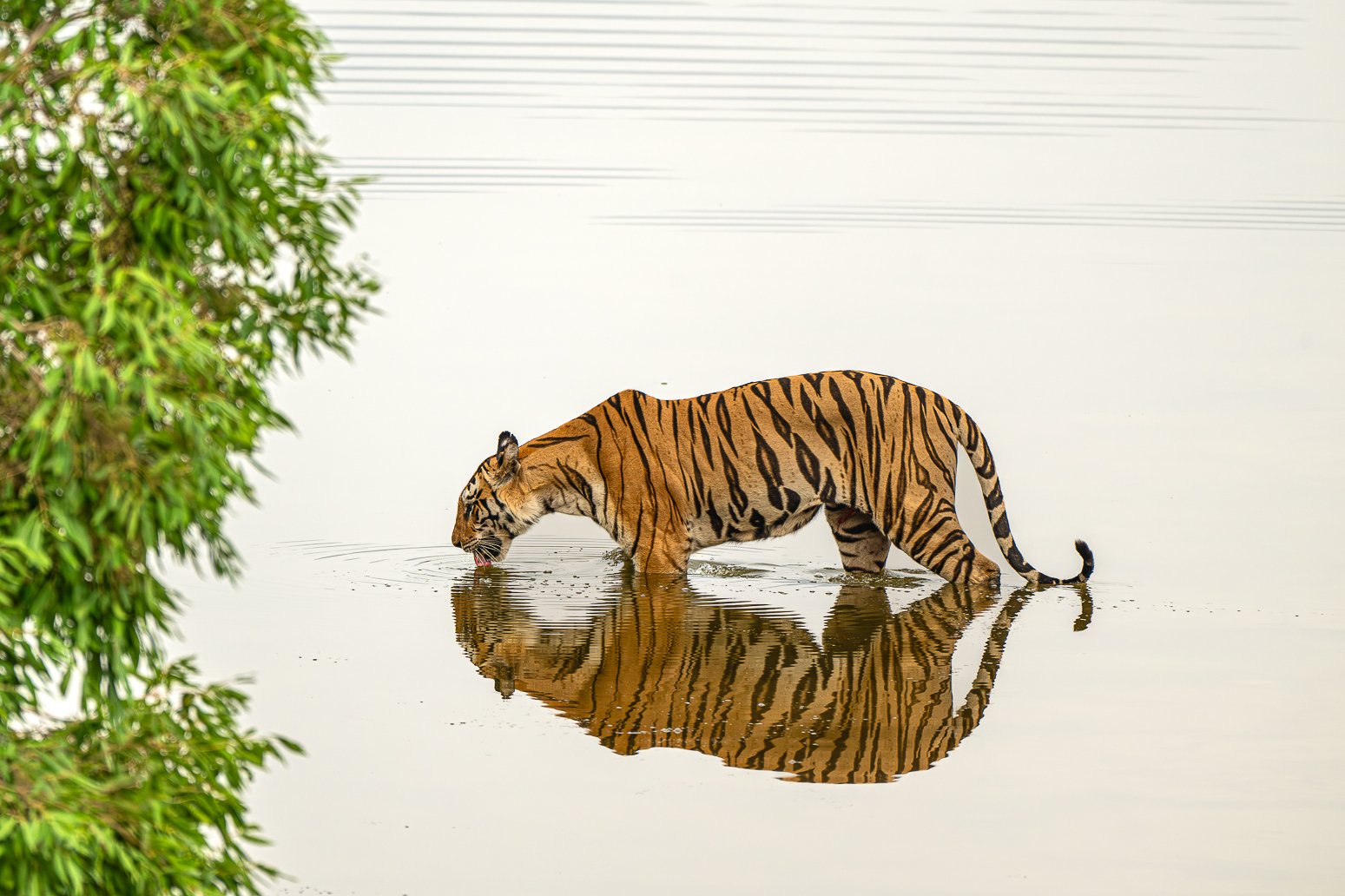
India’s most successful tiger reintroduction program
Unique species of open-dry habitats: Four-horned Antelope (Chousingha), Chinkara, Striped Hyena
Exceptional vulture and raptor diversity, especially on cliffs and plateaus
Over 250 bird species across riverine, woodland and dry scrub habitats
A blend of geological history, diamond mining legacy and ancient temples
A remote, cinematic landscape perfect for luxury slow travel
The Land & Its Wildlife
A Mosaic of Habitats
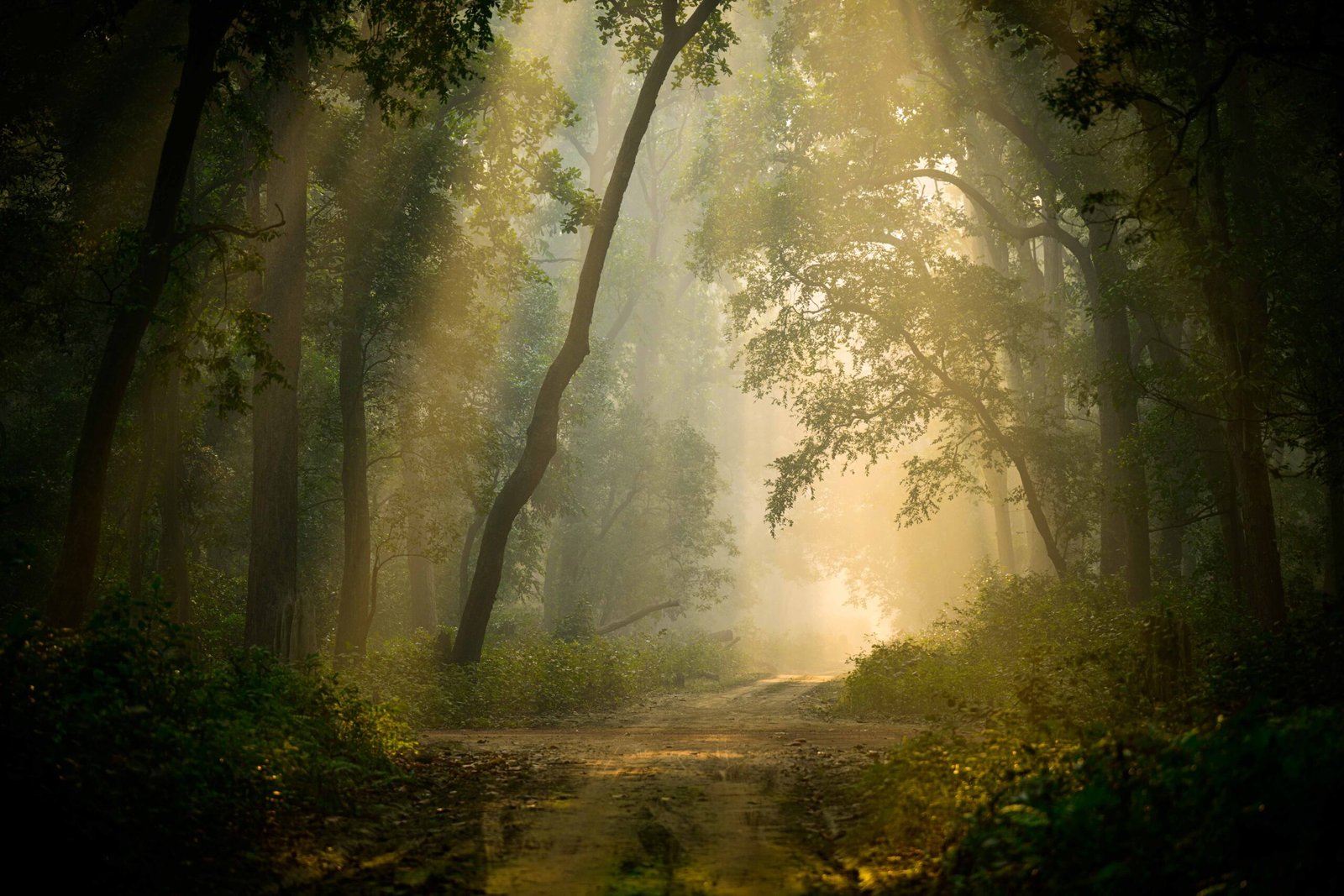
Dry teak forests, mixed woodland, open savanna grasslands, thorny scrub, elevated plateaus, deep ravines, sandstone gorges, Ken River belts, waterfalls and riparian vegetation. Panna is drier, rockier and more open than other Central Indian reserves — ideal for unique species and wide landscape photography.
Animal Life
Flagship species: Bengal tiger (reintroduced), Indian leopard, sloth bear, vultures
Reptiles & insects: variety of lizards, snakes, geckos, butterflies, dragonflies
Seasonal Rhythms
Winter: Crisp mornings, active raptors, incredible vulture activity on cliffs
Summer: High visibility around river pools and dry edges; excellent for tracking tigers and hyenas
Post-Monsoon: Vibrant green canyons, flowing waterfalls, abundant bird and insect life
Conservation Notes
Panna is a conservation icon — rising from zero tigers in 2009 to a thriving population through scientific reintroduction, strong protection and habitat recovery. It is also vital to the Ken–Betwa river landscape, connecting tiger habitats across Central India.
Seven Rhinos Luxury Experiences
Signature Jeep Safaris — highly personalised, limited guests per vehicle, guided by expert naturalists/guides
Picnic Breakfasts at scenic designated points
Diverse Safari Routes: dry plateaus, ravines, river belts, teak forests and sandstone ridges
Ken River Experiences: seasonal boat rides, river-edge walks, canyon viewpoints
Cultural Encounters: local traditions, diamond mining history, ancient temples
Ideal for photographers, and travellers who appreciate slow observation, geology, raptor watching and river ecology.
The Seasons
Winter (Nov–Feb) Clear light, soaring raptors, active scrubland species, atmospheric river mornings and excellent cliff photography.
Summer (Mar–Jun) Superb visibility; wildlife concentrates near river pools and plateaus, offering high-quality predator and ungulate sightings.
Photography Insights
Photography in Panna is shaped by its canyons, dry plateaus and the shimmering Ken River. Wildlife often moves across open rocky terrain, offering clean silhouettes and long, natural lines of sight. Vultures circling above cliffs, leopards along ravines, and antelopes on sunlit plateaus create striking, habitat-rich compositions. Panna beautifully balances intimate portraits with wide geological frames, giving photographers a unique blend of wilderness and raw landscape storytelling.
Panna also offers an opportunity to get down from safari vehicles at certain cliffs to observe vultures and if lucky you can spot a tiger in the valley.
Why Travel With Seven Rhinos — The Luxury Advantage
Expert naturalists and wildlife designers offering deep, context-rich interpretation
Small-group approach with exceptional personal attention
Quiet, ethical safaris aligned with wildlife behaviour and terrain sensitivity
Seamless logistics, premium hospitality partnerships and curated comfort
Slow-travel ethos designed for meaningful, unhurried experiences
Perfect for photographers, families, couples and discerning explorers
Journeys shaped by knowledge, comfort and refined storytelling