Overview — The Floodplains of Giants and Ancient Rivers
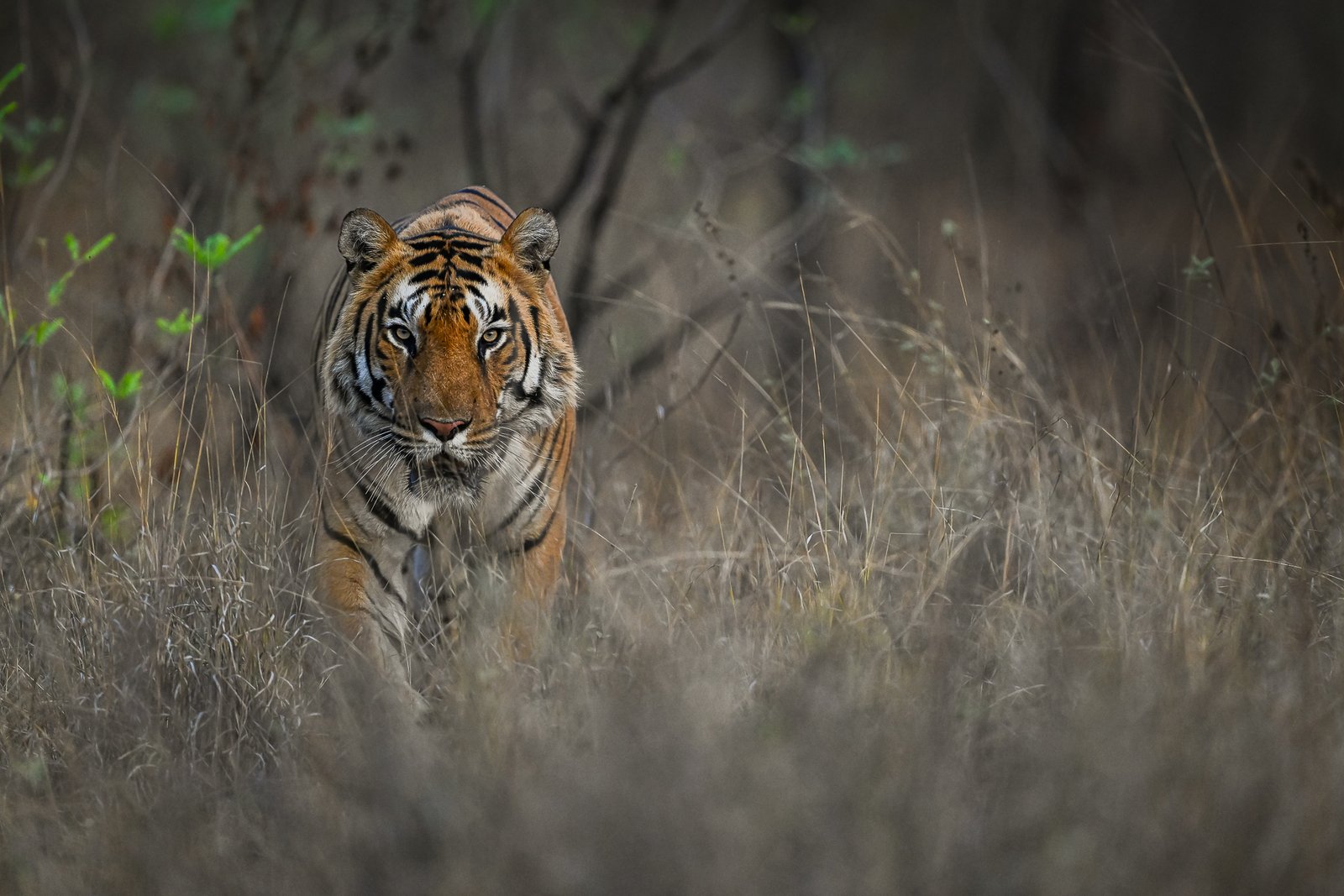
Kaziranga is India’s great Eastern wilderness — a vast, living floodplain shaped by the Brahmaputra River, home to the world’s largest population of the Greater One-Horned Rhinoceros. Its sweeping grasslands, marshes, oxbow lakes and semi-evergreen forests create one of the planet’s richest megafauna habitats. Here, rhinos graze in the misty dawn, herds of elephants move like grey shadows, and wild buffalo stand tall against golden grass. Tigers remain elusive yet powerful, thriving in this prey-abundant landscape.
With Seven Rhinos, your Kaziranga journey becomes a refined immersion into Assam’s wild heart — intimate safaris, slow-travel moments, riverine landscapes, and the soulful culture of the Northeast woven into an experience that is both luxurious and deeply rooted in nature.
Location & Access
Nearest Airport: Jorhat (96 km)
Alternate Airport: Guwahati (225 km)
Nearest Railway Station: Furkating Junction (75 km)
By Road: Excellent connectivity from Guwahati, Jorhat, Tezpur and Dibrugarh
Best Season: November to April (Kaziranga remains closed during monsoon due to flooding)
Highlights — Why Kaziranga is a Natural Wonder
UNESCO World Heritage Site and India’s most successful conservation story
Home to >2,600 Greater One-Horned Rhinos — over 2/3rd of the world’s population
Highest density of tigers in India (though sightings are rare due to grassland terrain)
One of the last strongholds of wild water buffalo and Eastern swamp deer
Exceptional elephant herds and migratory birdlife
Four tourism ranges — each with unique terrain and wildlife behaviour
Early Summer: High visibility as tall grass is manually cut; active wildlife movement
Monsoon: Park closes; dramatic flooding rejuvenates the landscape and sustains fertility
Conservation Notes
Kaziranga is a global conservation success — rhino protection, anti-poaching units, controlled burning of grasslands, and floodplain management have shaped one of India’s most resilient wildlife landscapes.
Seven Rhinos Luxury Experiences
Signature Jeep Safaris — personalised, interpretive and tailored to the best viewing zones
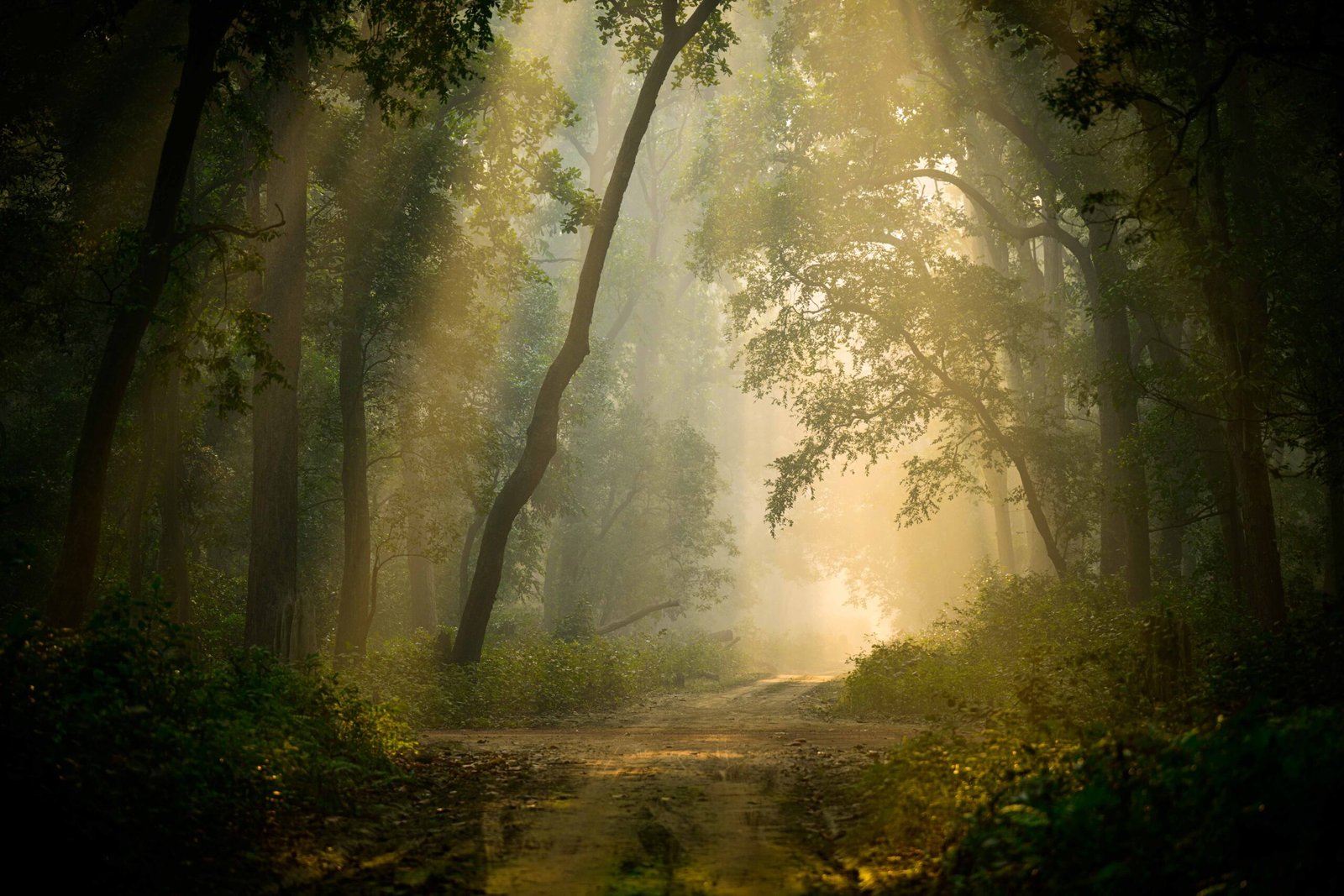
Elephant Grassland Mornings — atmospheric drives through mist-filled meadows
Multi-Range Exploration — Kohora, Bagori, Agaratoli and Burapahar for varied habitats
Sighting India’s only ape species — a special outing for the hoolock gibbon
Ideal for birders, photographers and travellers who want deeper riverine and grassland interpretation.
The Seasons
Winter (Nov–Feb)
Cool, pleasant weather; prime birdwatching; misty grassland mornings ideal for photography.
Summer (Mar–May)
Grass cutting improves visibility; excellent for rhino and elephant behaviour; dramatic light conditions.
(Note: Park remains closed in monsoon flooding.)
Photography Insights
Kaziranga is a photographer’s dream of big animals in sweeping landscapes. Tall grass creates dramatic silhouettes, wetlands offer mirror reflections, and early winter mist adds softness to the frames. Expect: • Rhinos in golden backlight • Elephant herds emerging through fog • Buffalo against dramatic grassland textures • Birds in flight over beels • Tigers occasionally glimpsed along clearings and water edges
The terrain naturally blends wildlife portraits with grand habitat compositions.
Why Travel With Seven Rhinos — The Luxury Advantage
Expert naturalists with deep knowledge of grassland and floodplain ecology • Small-group, detail-oriented approach for personalised safaris • Ethical wildlife viewing — patient, quiet and respectful • Seamless premium logistics with trusted hospitality partners • Meaningful pacing for refined, immersive experiences • Ideal for families, photographers, couples and curious explorers • Story-rich journeys shaped by culture, nature and conservation insight