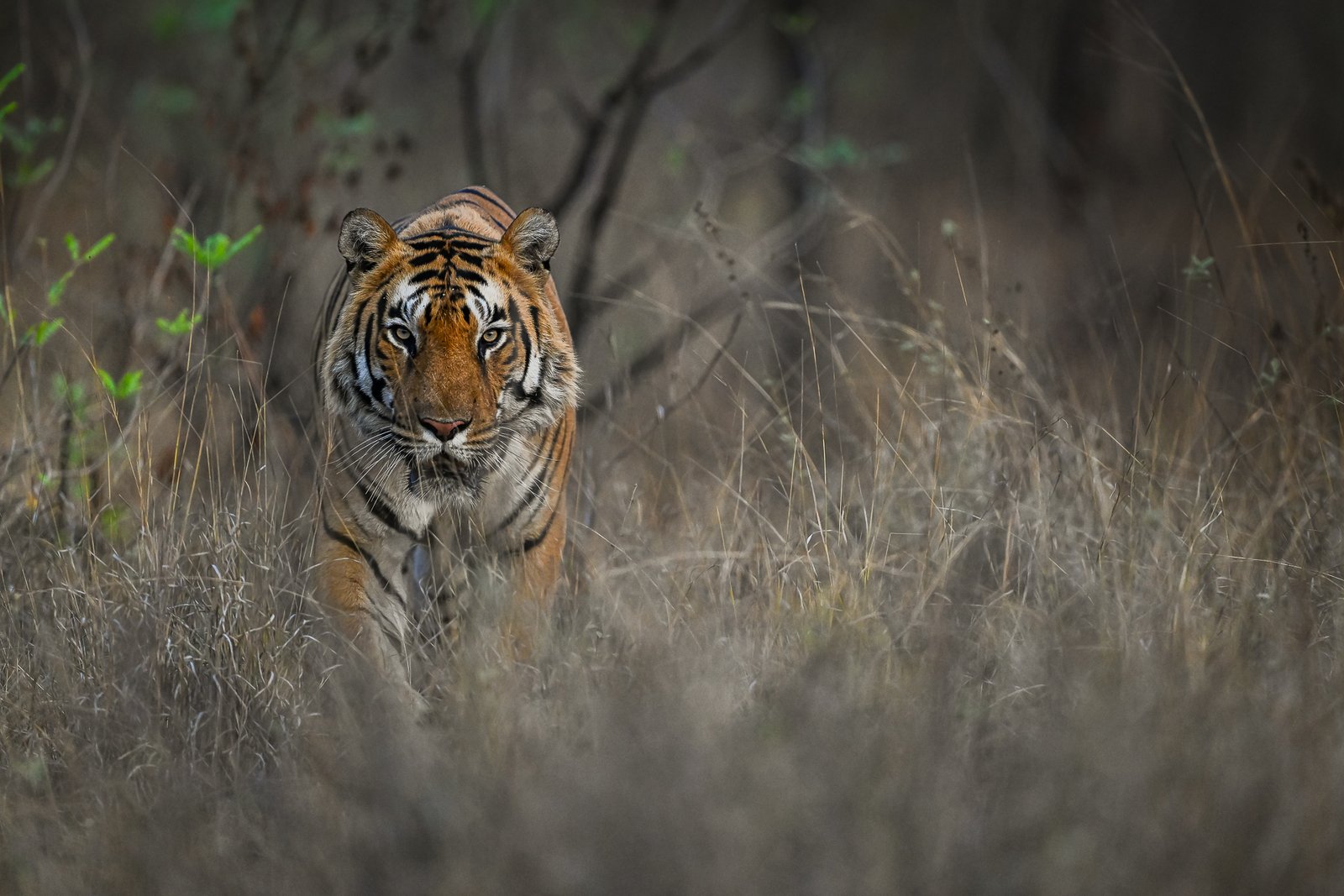
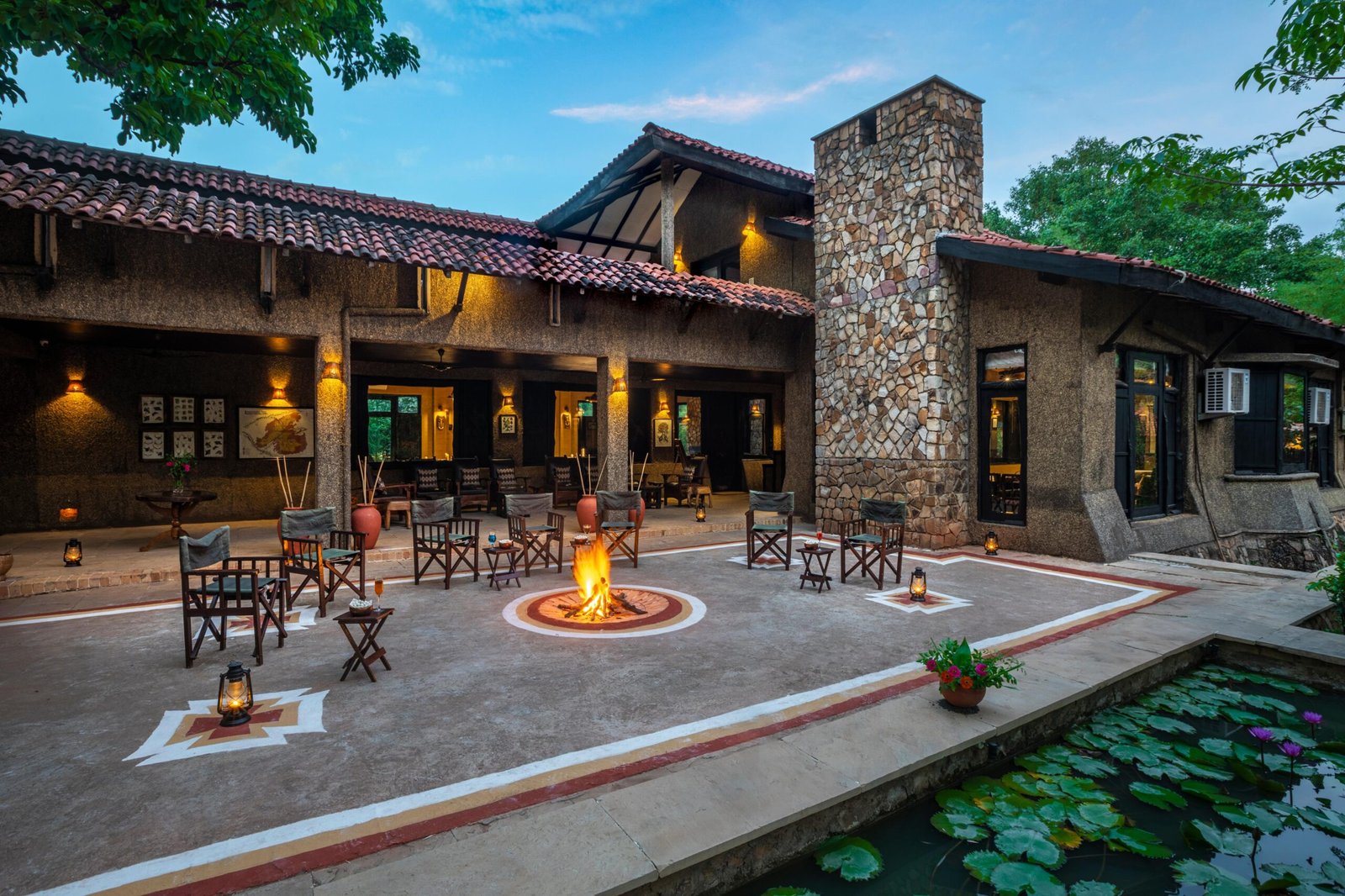
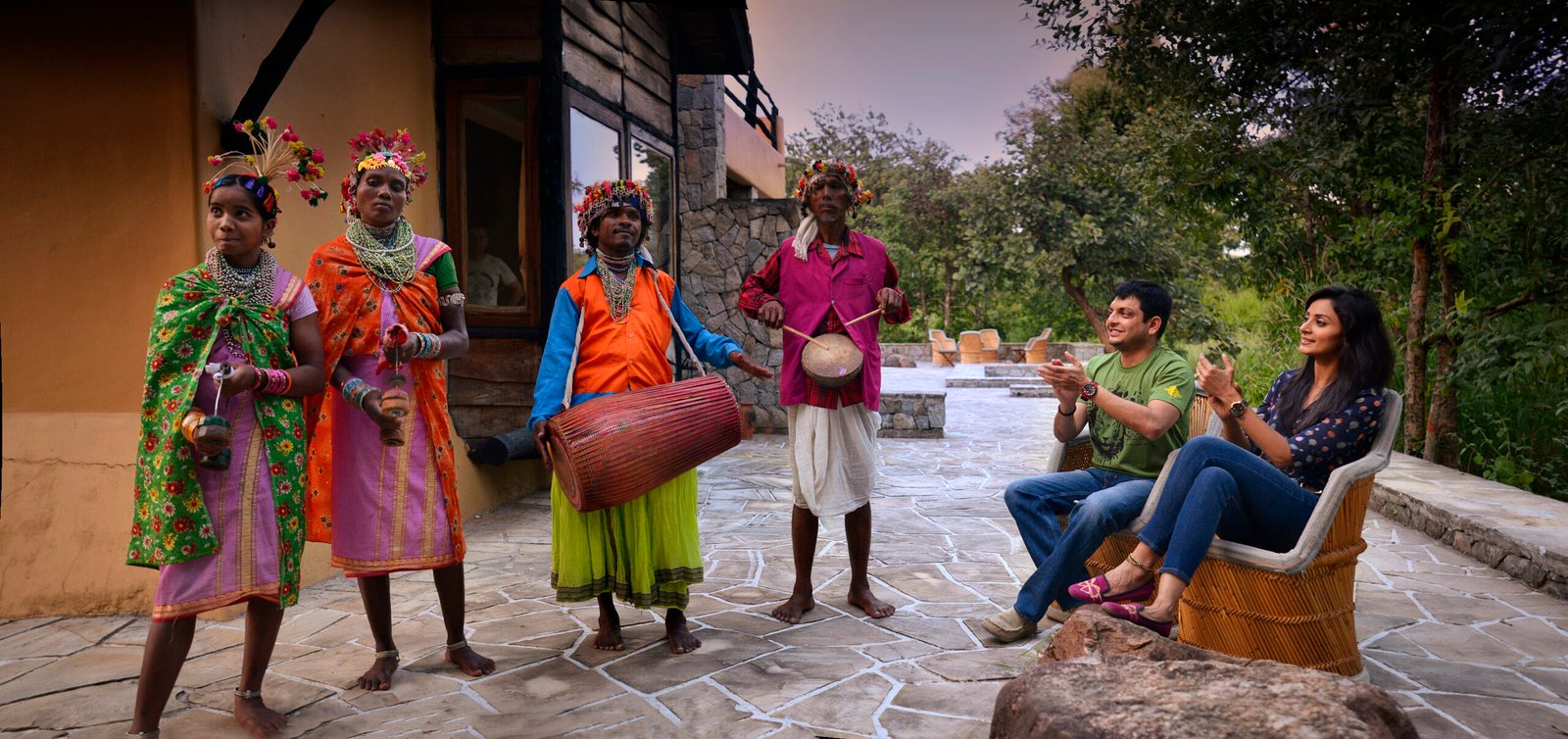
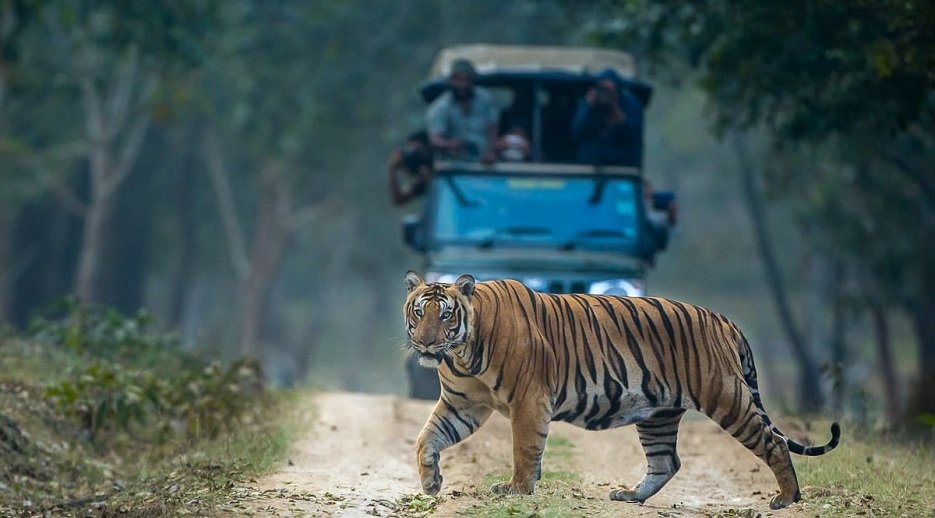
Rajaji National Park is a powerful yet understated wilderness stretching across the Shivalik ranges at the foothills of the Himalayas. Defined by sal forests, riverine grasslands and seasonal streams, Rajaji is best known as one of North India’s most important elephant landscapes. Here, large elephant herds move through forest corridors, leopards remain elusive and birds fill the riverine forests with sound. Tigers are present but rare, reinforcing Rajaji’s identity as a forest of balance rather than spectacle.
With Seven Rhinos, Rajaji becomes a quiet Himalayan foothill immersion — slow safaris, elephant-focused interpretation, riverine explorations and a deep understanding of corridors, coexistence and conservation in a landscape shaped by both wildlife and people.
Location & Access
Nearest Airport: Dehradun (Jolly Grant Airport) — approx. 25–40 km (depending on entry gate)
Nearest Railway Station: Haridwar (approx. 10–25 km)
By Road: Excellent connectivity from Dehradun, Haridwar and Rishikesh
Best Season:November to June (park closed during monsoon)
Highlights — Why Rajaji is Unique
One of North India’s most significant elephant conservation landscapes
Vast sal forests, riverine grasslands and Shivalik foothills
Critical wildlife corridor linking forests of Uttarakhand
Exceptional birdlife across forest and river habitats
Presence of leopard, sloth bear and other Himalayan foothill species
Quiet, low-pressure safaris with minimal crowding
Proximity to Haridwar and Rishikesh, yet deeply wild
Ideal for slow travellers, elephant lovers and naturalists
The Land & Its Wildlife
A Shivalik Foothill Forest
Rajaji lies along the Himalayan foothills and is shaped by: Dense and open sal forests • Riverine grasslands and floodplains • Seasonal streams • Rolling Shivalik hills • The Ganga and Song river systems
Animal Life
Flagship species: Asian elephant
Large mammals: Leopard, sloth bear
Other mammals: sambar, chital, barking deer, wild boar, jackal
Birdlife: Over 300 species — hornbills, raptors, kingfishers, woodpeckers, river birds and migrants
Reptiles: Indian python, cobras, monitor lizards
Micro life: butterflies, amphibians and forest insects
Seasonal Rhythms
Winter: Clear weather, pleasant temperatures and excellent bird activity
Summer: Strong elephant movement near water and open forest patches
Monsoon: Park closed; forest regenerates and rivers swell
Conservation Notes
Rajaji is a cornerstone of elephant conservation in North India, supporting vital corridors and coexistence efforts between wildlife, forests and surrounding human settlements.
Seven Rhinos Luxury Experiences
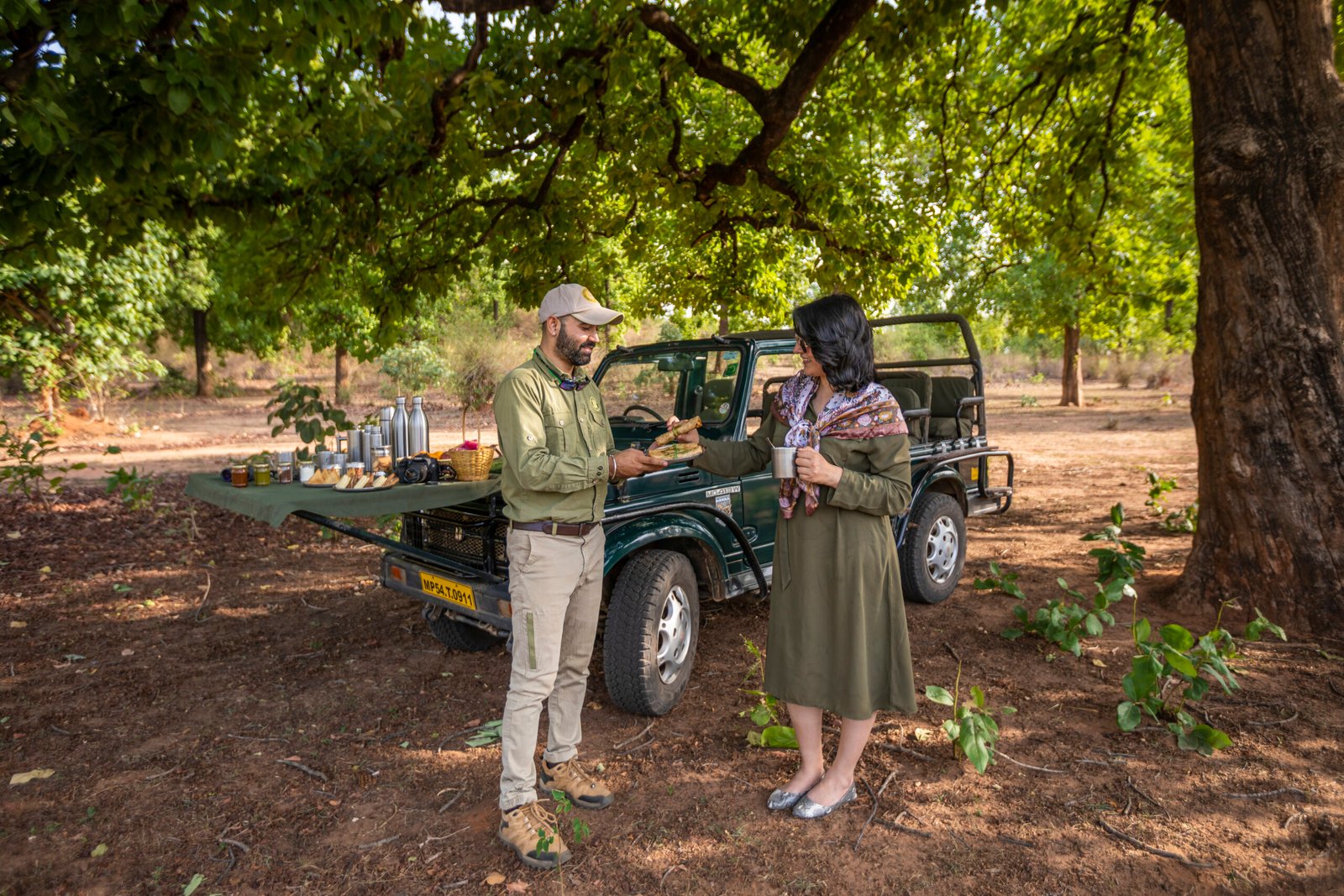
Signature Jeep Safaris — elephant-focused, interpretive and unhurried
Riverine Forest Drives — understanding water, grasslands and movement
Elephant Behaviour Sessions — herd dynamics, corridors and coexistence
Ideal for guests seeking understanding of elephant behaviour, bird diversity and forest ecology.
The Seasons
Winter (Nov–Feb)
Cool, pleasant weather; excellent birdlife and comfortable safaris.
Summer (Mar–Jun)
Warmer days; strong elephant visibility around water sources and open patches.
Note: The park remains closed in monsoon.
Photography Insights
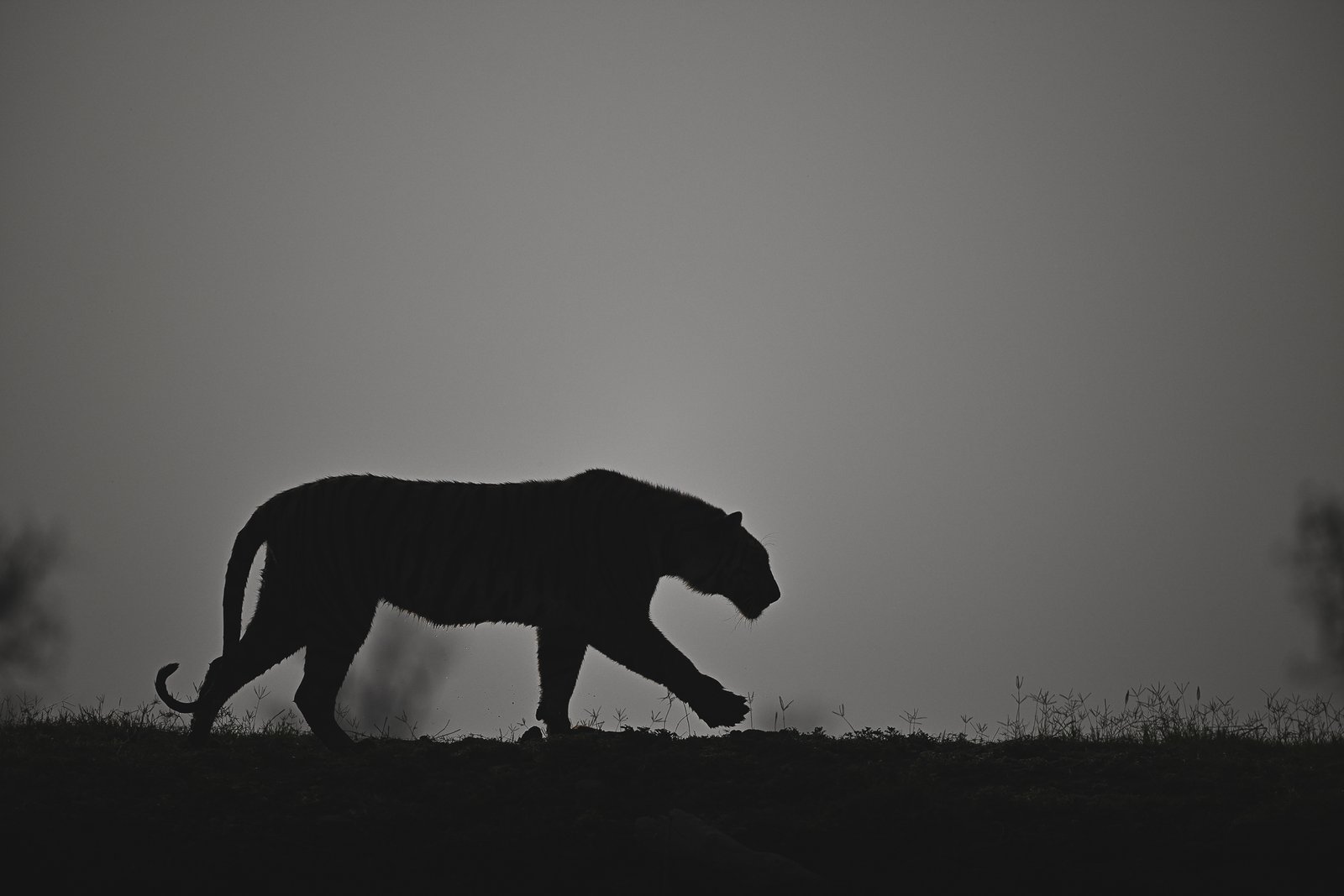
Rajaji is a forest for elephants-in-landscape imagery rather than predator drama. Expect layered sal forests, dust-lit elephant herds and riverine compositions. Highlights include: • Elephant herds moving through sal forest corridors • Calves interacting within family groups • Birds along riverbanks and forest clearings • Leopard as rare, atmospheric encounters
This is a destination for storytelling, behaviour and landscape context.
Why Travel With Seven Rhinos — The Luxury Advantage
Naturalists experienced in elephant landscapes and Shivalik ecology
Low-density, respectful safari philosophy
Ethical wildlife viewing with strong emphasis on coexistence
Seamless logistics despite proximity to urban centres
Thoughtful pacing for immersive understanding
Ideal for families, birders, elephant enthusiasts and reflective travellers
Journeys rooted in ecology, conservation and refined storytelling