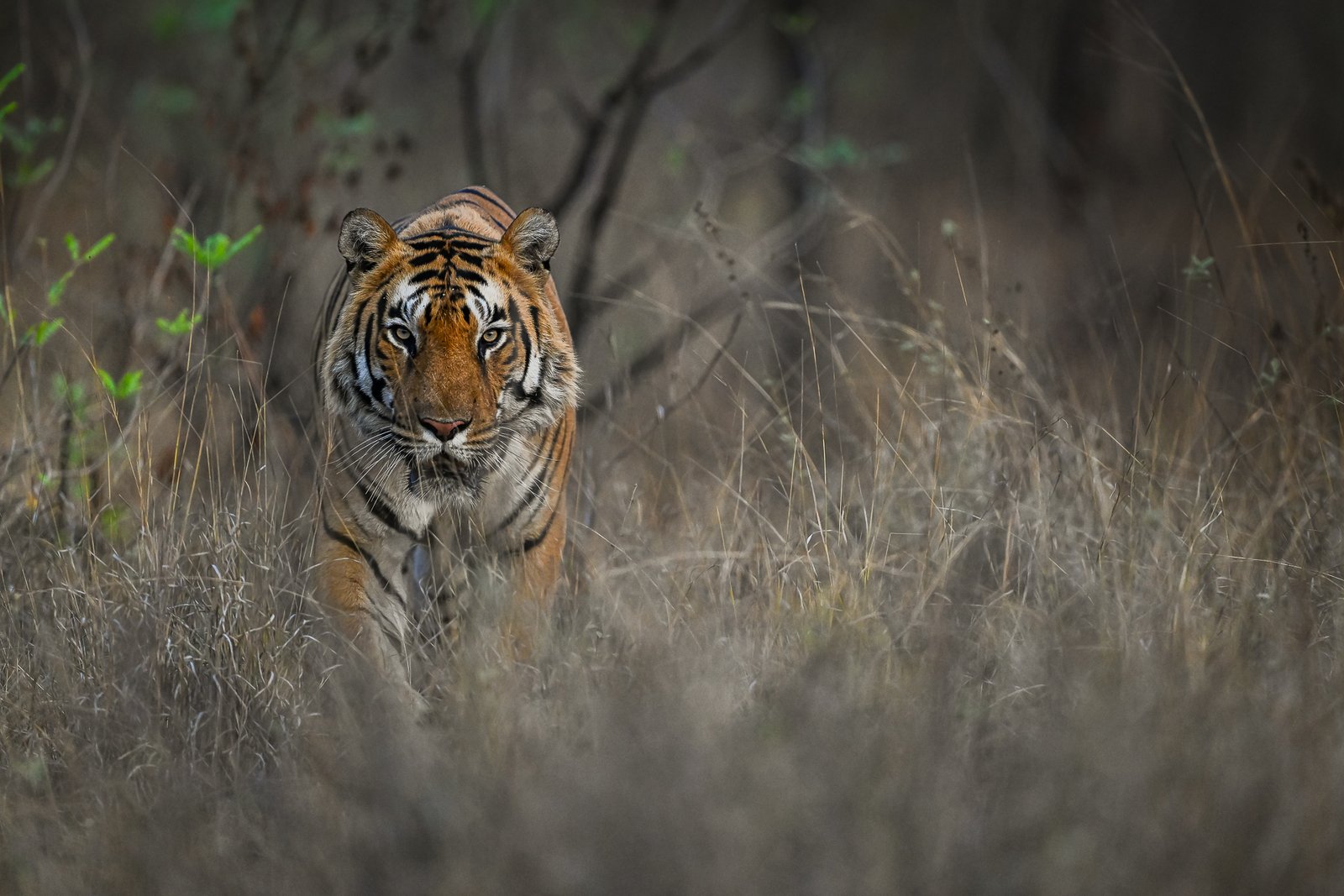
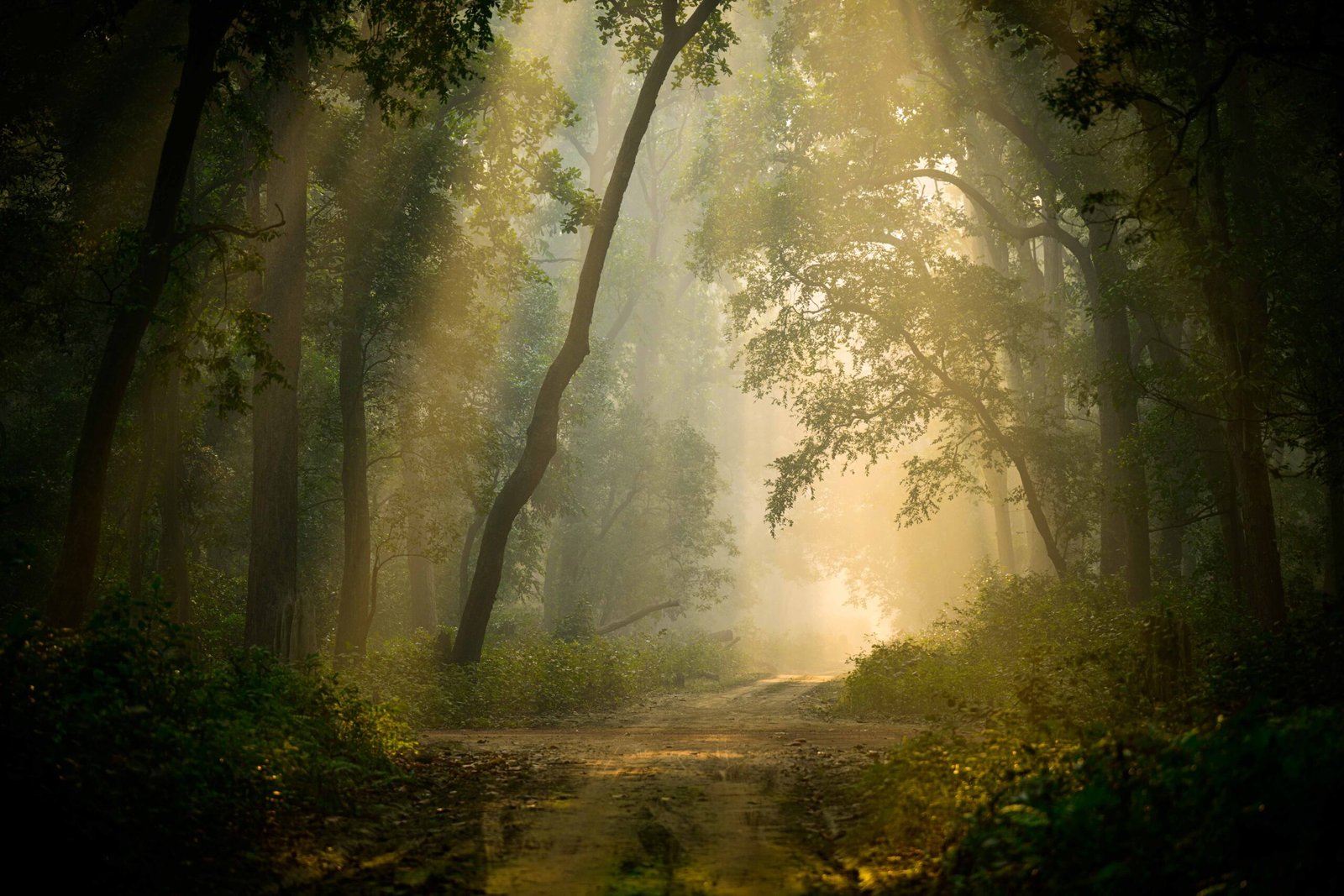
The Dudhwa–Kishanpur landscape represents one of India’s last great Terai wilderness systems — a seamless mosaic of tall grasslands, sal forests, wetlands and riverine corridors along the Indo-Nepal border. Together, these protected areas form a quiet, expansive ecosystem where wildlife moves freely across habitats shaped by seasonal flooding and fertile alluvial soils. This is not a destination of spectacle, but of depth — where swamp deer drift through misty meadows, elephants navigate forest corridors, and wetlands host remarkable birdlife. Tigers are present yet elusive, reinforcing the landscape’s raw, undisturbed character.
With Seven Rhinos, Dudhwa–Kishanpur becomes an immersive Terai journey — slow safaris, grassland mornings, wetland explorations and interpretive storytelling designed for travellers who seek authenticity, space and ecological truth.
By Road: Well-connected from Lucknow, Lakhimpur Kheri and Bareilly
Best Season:November to June (open from 15 November to 15 June; closed during monsoon)
Highlights — Why This Landscape Matters
One of India’s finest surviving Terai ecosystems
Stronghold of the Barasingha (swamp deer) — a major conservation success
Dudhwa’s vast grasslands and wetlands paired with Kishanpur’s quieter sal forests
Excellent elephant habitat and important movement corridors
Exceptional birdlife, especially winter migrants and wetland specialists
Very low tourism pressure, particularly in Kishanpur
A rare opportunity to experience two contrasting habitats in one journey
Ideal for slow travel, birding, natural history and landscape photography
The Land & Its Wildlife
A Terai Continuum
The Dudhwa–Kishanpur landscape lies in the Terai belt at the Himalayan foothills, shaped by rivers, seasonal flooding and rich alluvial soils. Key habitats include: • Tall wet grasslands • Dense and open sal forests • Marshes, swamps and oxbow lakes • Riverine corridors of the Suheli and Mohana rivers • Floodplain meadows and forest clearings
Birdlife: Over 450 species — storks, herons, cranes, raptors, owls, waterbirds and winter migrants
Reptiles: crocodiles, pythons, monitor lizards; gharial present in river systems within the wider Terai landscape
Micro life: amphibians, butterflies and dragonflies thriving in wet habitats
Seasonal Rhythms
Winter: Cool mornings, mist-filled grasslands and peak bird activity
Summer: Improved mammal visibility along grassland edges and water sources
Monsoon: Park closures; flooding rejuvenates habitats and sustains productivity
Conservation Notes
This landscape reflects one of India’s most important conservation narratives — the revival of swamp deer populations, protection of elephant corridors and long-term efforts to maintain ecological connectivity across the India–Nepal border.
Seven Rhinos Luxury Experiences
Signature Jeep Safaris — quiet, interpretive and unhurried
Grassland Mornings in Dudhwa — ideal for deer movement and soft light
Forest & Wetland Safaris in Kishanpur — low-pressure, bird-rich exploration
Barasingha-focused Interpretation — behaviour, habitat and conservation story
Elephant Landscape Understanding — corridors, movement and coexistence
Birding Sessions — wetlands, forest edges and seasonal hotspots
Warmer days, clearer mammal sightings and improved visibility along grasslands and water sources.
Note: The landscape remains closed in monsoon.
Photography Insights
The Dudhwa–Kishanpur landscape rewards photographers who value context over proximity. Expect layered compositions, soft light and wildlife integrated naturally into its habitat. Highlights include: • Barasingha in tall grass and early mist • Elephants moving through sal forests • Wetland birds in reflective winter light • Tigers as rare, narrative-rich encounters • Quiet animal-in-landscape frames shaped by behaviour and season
This is a destination for patience, atmosphere and ecological storytelling.
Why Travel With Seven Rhinos — The Luxury Advantage
Naturalists deeply familiar with Terai ecosystems
Low-density, unhurried safari philosophy
Ethical, respectful wildlife viewing
Seamless logistics across two protected areas
Thoughtful pacing for immersive exploration
Ideal for birders, families, photographers and reflective travellers
Experiences grounded in ecology, authenticity and refined storytelling