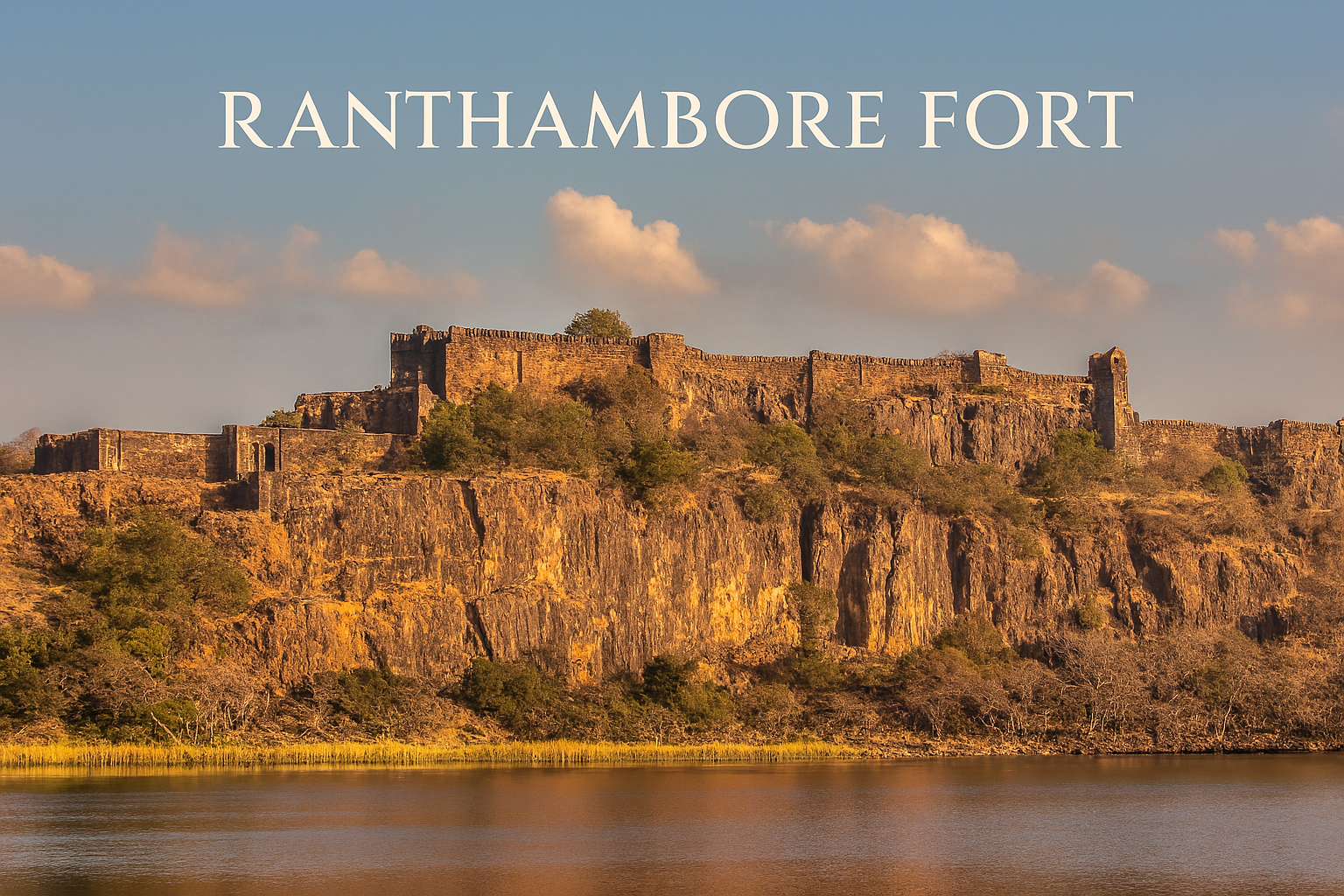
Ranthambore stands alone in India’s wildlife landscape — a place where tigers walk through ancient palaces, hunt beside lakes, and rest in the shadow of the 1,000-year-old Ranthambore Fort. Set against the dry Aravalli hills, this iconic reserve blends history and wilderness in a way few places on earth can match.
Known for its bold, daylight-active tigers and open terrain, Ranthambore offers some of the most dramatic and photogenic tiger sightings in India. With Seven Rhinos, your journey becomes a luxury safari experience shaped by storytelling, personalised naturalist guidance, seamless hospitality and an immersion into a landscape where nature and history are intertwined.
Location & Access
Nearest Airport: Jaipur — ~180 km Alternate Airport: Kota — ~110 km Nearest Railway Station: Sawai Madhopur — ~10 km (excellent access) By Road: Smooth connectivity from Jaipur, Agra, Kota and Delhi Best Season: October to June
Highlights — What Makes Ranthambore Extraordinary
Tigers moving confidently in broad daylight across open terrain
World-famous frames: tigers against Ranthambore Fort, Raj Bagh ruins, lakes and stone arches
A unique blend of dry deciduous forest, rocky outcrops, lakes, plateaus and ancient structures
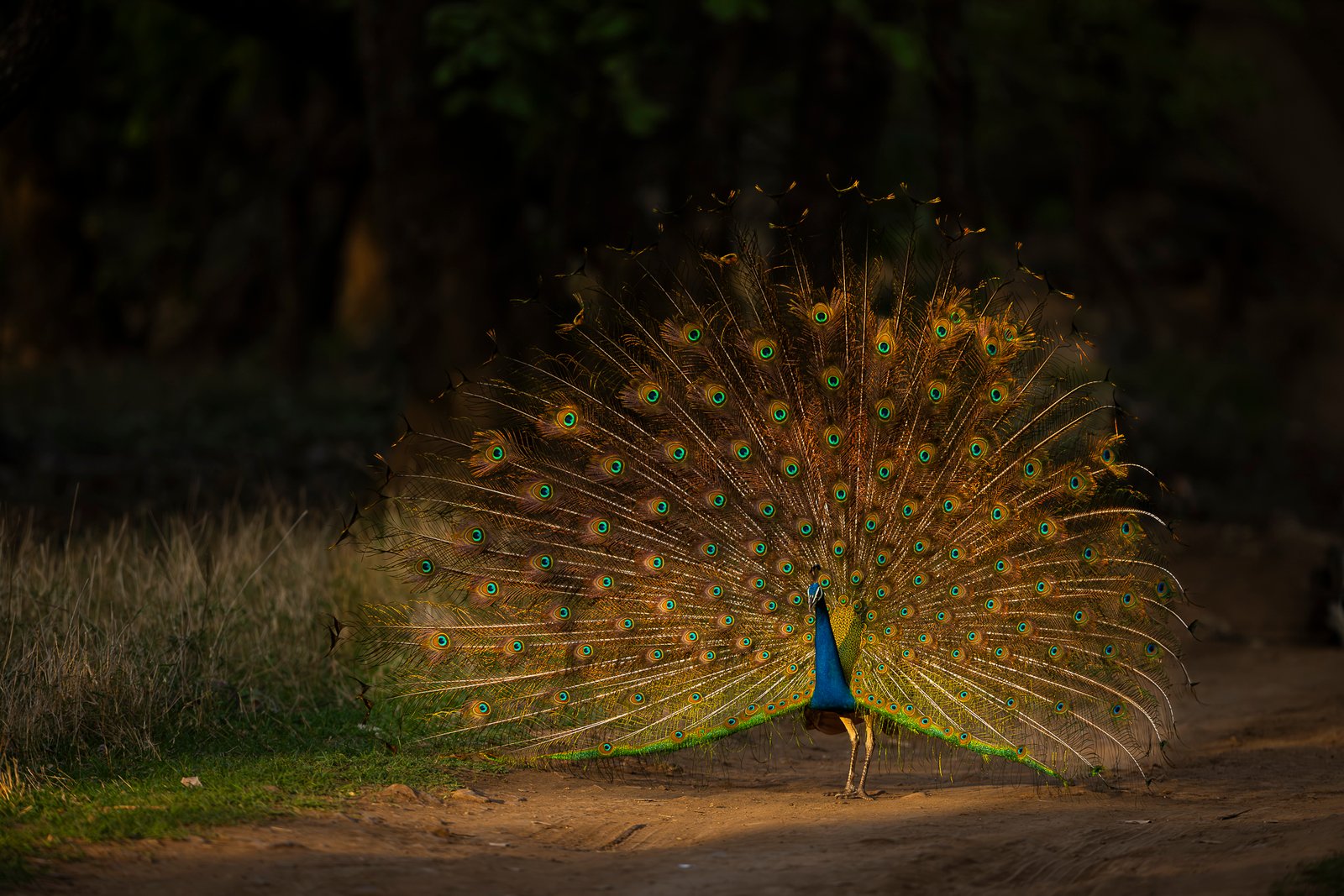
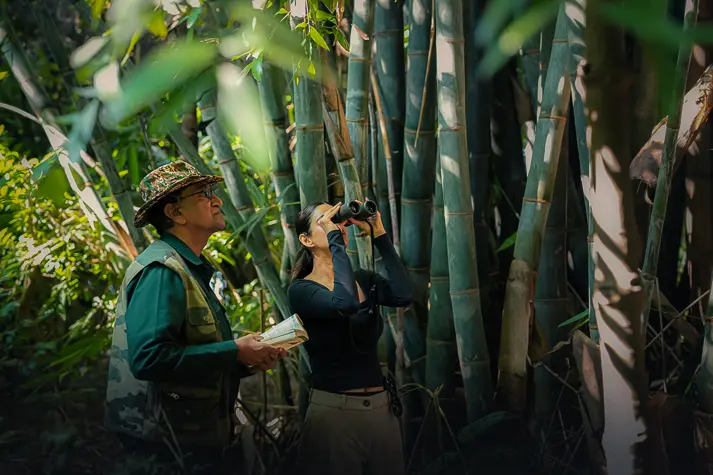
Over 300 bird species, including waterbirds, raptors and woodland specialists
One of India’s most visually striking tiger landscapes — ideal for photography and behaviour observation
Deep cultural and historical value: temples, fort walls, royal hunting legacy and ancient reservoirs
The Land & Its Wildlife
A Mosaic of Habitats
Dry deciduous dhok forest, open scrubland, rocky cliffs, plateaus, grasslands, lakes (Padam Talab, Raj Bagh, Malik Talab), ravines and ancient stone structures. Ranthambore’s openness makes it ideal for observing behaviour and capturing wide, environmental frames.
Animal Life
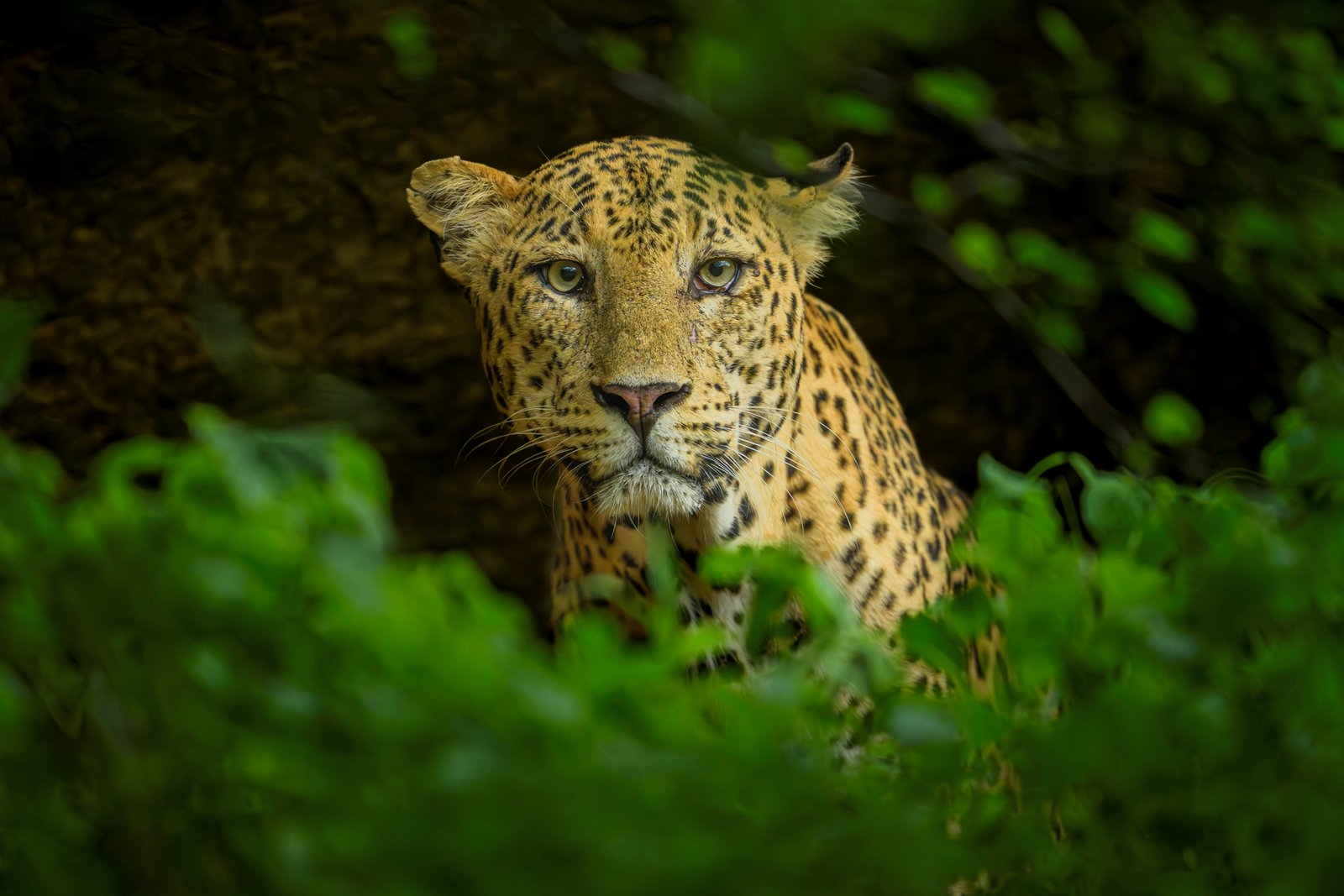
Flagship species: Bengal tiger, Indian leopard, sloth bear
Other mammals: sambar, chital, nilgai, wild boar, langur, jackal, striped hyena, caracal (rare), desert fox (occasional in buffers)
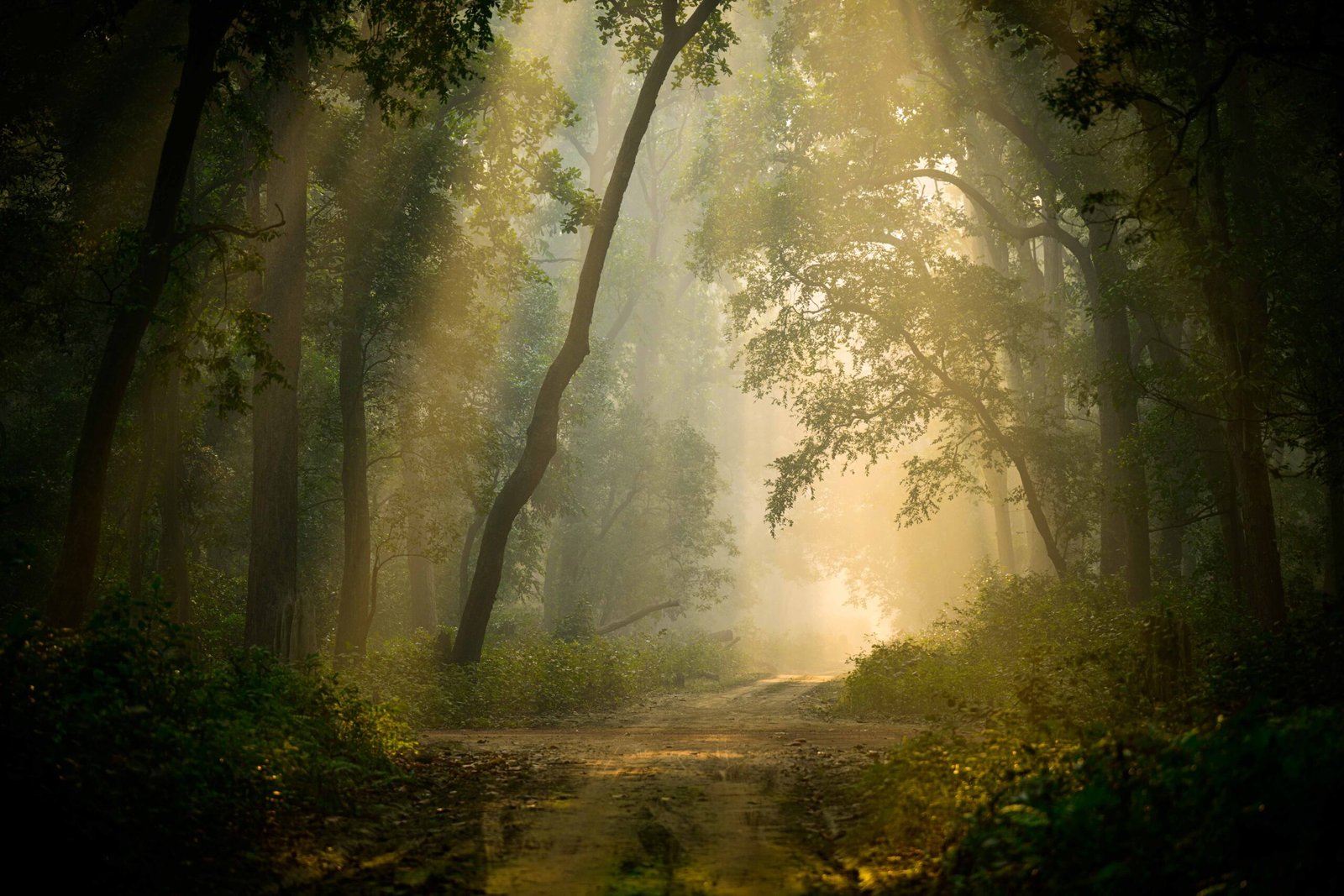
Winter: Soft, golden light; atmospheric sightings near lakes and ruins
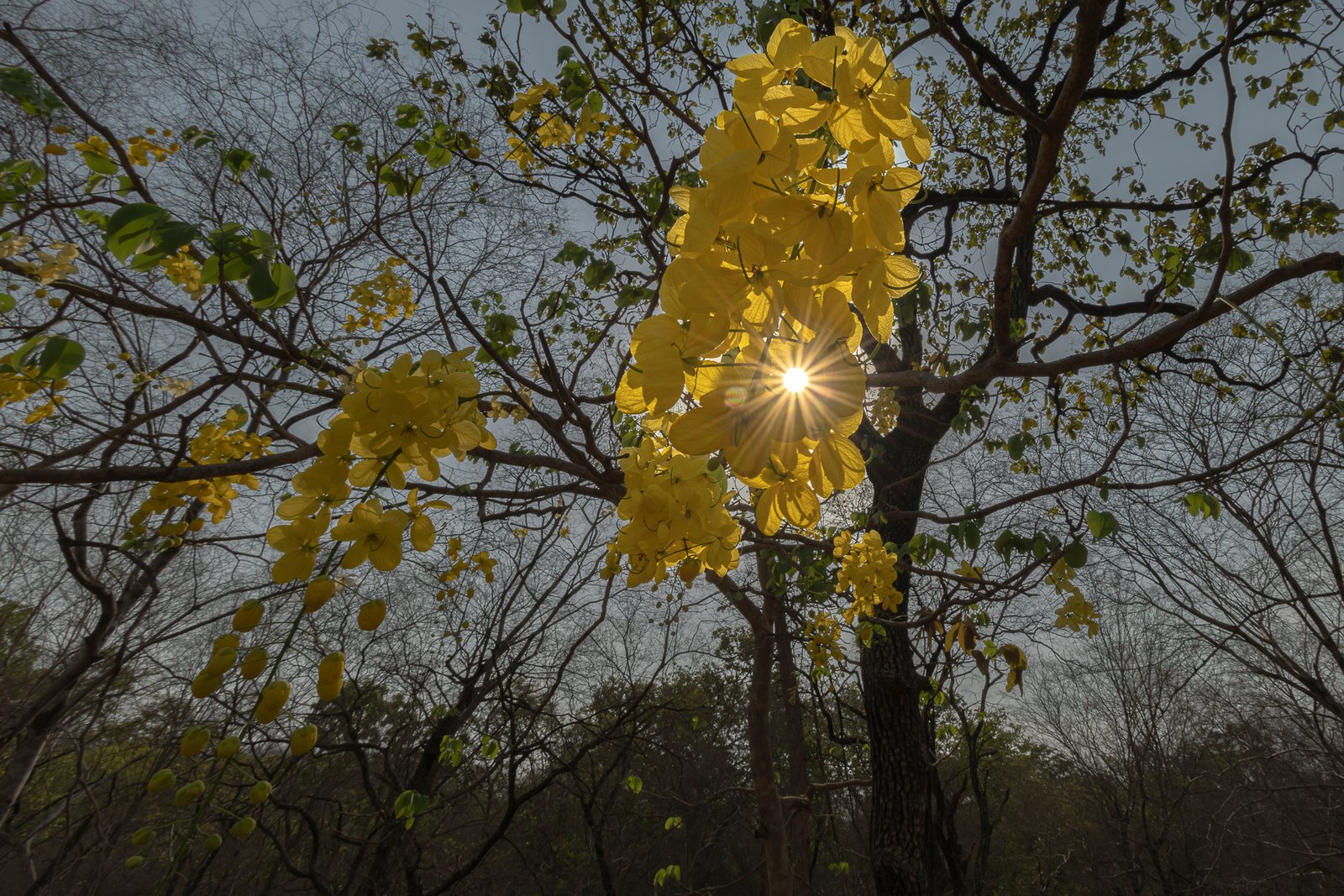
Summer: Exceptional visibility as tigers frequent water bodies; high behavioural drama
Post-Monsoon: Vibrant greens, full lakes, active birdlife and excellent fort vistas
Conservation Notes
Ranthambore has long been central to India’s tiger conservation narrative, contributing tigers for translocation and serving as an anchor population for northwest India. The park faces high tourism pressure but remains a stronghold due to focused protection and community engagement.
Seven Rhinos Luxury Experiences
Signature Jeep Safaris — personalised, limited guests per vehicle, guided by expert naturalists
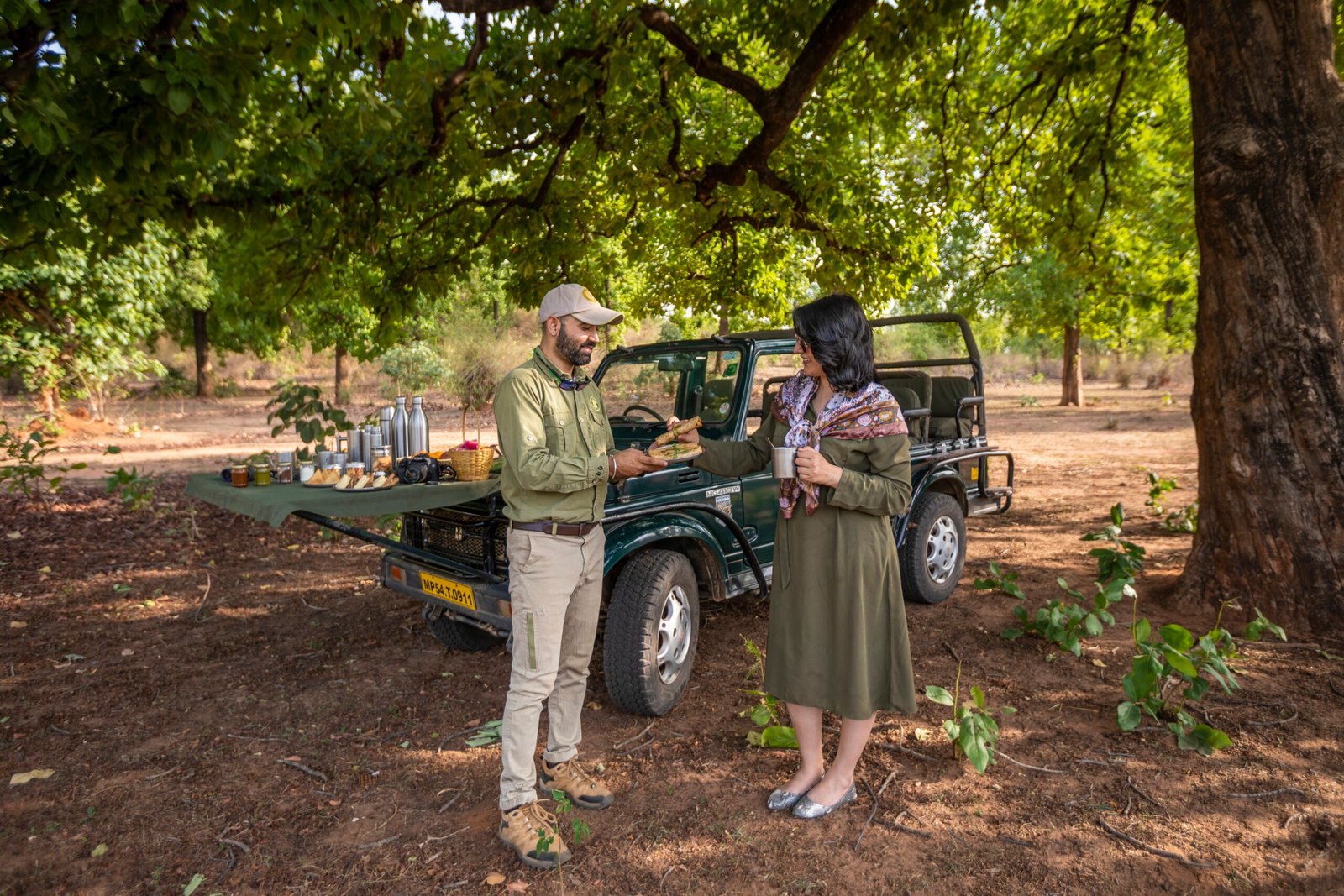
Picnic Breakfasts at scenic lake viewpoints
Zone Diversity: from lake-filled zones (3, 4, 5) to rugged cliffs and plateaus (6–10)
Cultural Layers: guided walks to Ranthambore Fort, temples, and interpretation of ruins
Perfect for photographers, tiger behaviour enthusiasts and travellers seeking deeper narratives of history and nature.
The Seasons
Winter (Nov–Feb) Soft, misty mornings and tigers moving near lakes and ruins — excellent for atmospheric frames.
Summer (Mar–Jun) Peak visibility; animals concentrate at water bodies, creating iconic encounters and exceptional photography opportunities.
Photography Insights
Ranthambore is unmatched for tigers in historic landscapes. Tigers often walk along palace walls, appear on ancient steps, rest under arches or emerge beside lakes — offering frames that blend wildlife with architecture. The dry forest, stone textures, open valleys and shimmering lakes create a palette ideal for portraits and wide storytelling compositions. Summer provides intense behavioural opportunities, while winter adds mood, mist and softness.
Why Travel with Seven Rhinos — The Luxury Advantage
Expert naturalists skilled at interpreting both wildlife behaviour and the park’s historical layers
Small-group, quiet-safari philosophy
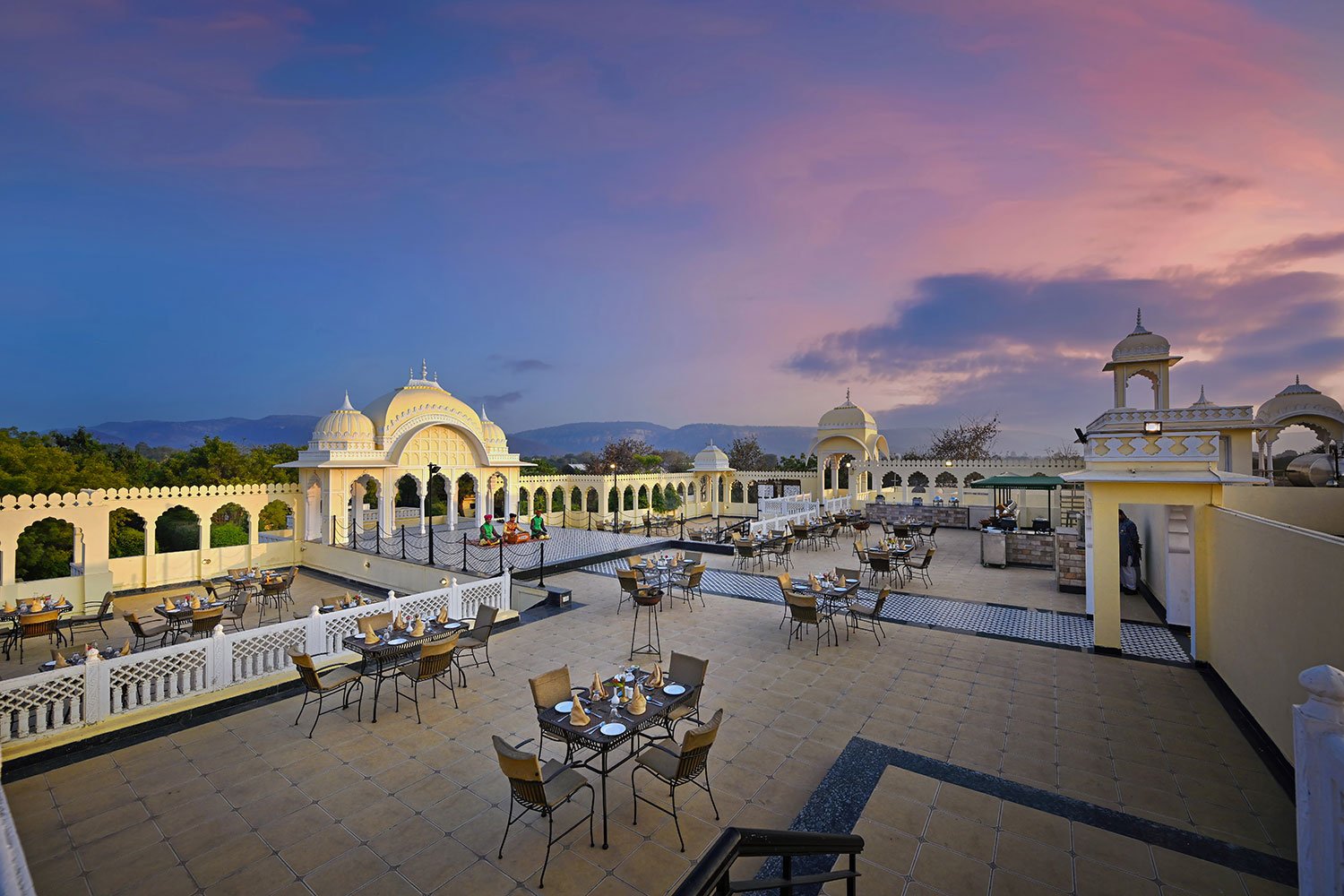
Seamless logistics and premium hospitality partnerships
Refined pacing that balances sightings, photography and relaxation
Ideal for families, couples, photographers and travellers who appreciate luxury with authenticity
Journeys shaped by deep ecological knowledge, comfort and narrative-rich storytelling