Overview — India’s Premier Walking Safari Landscape
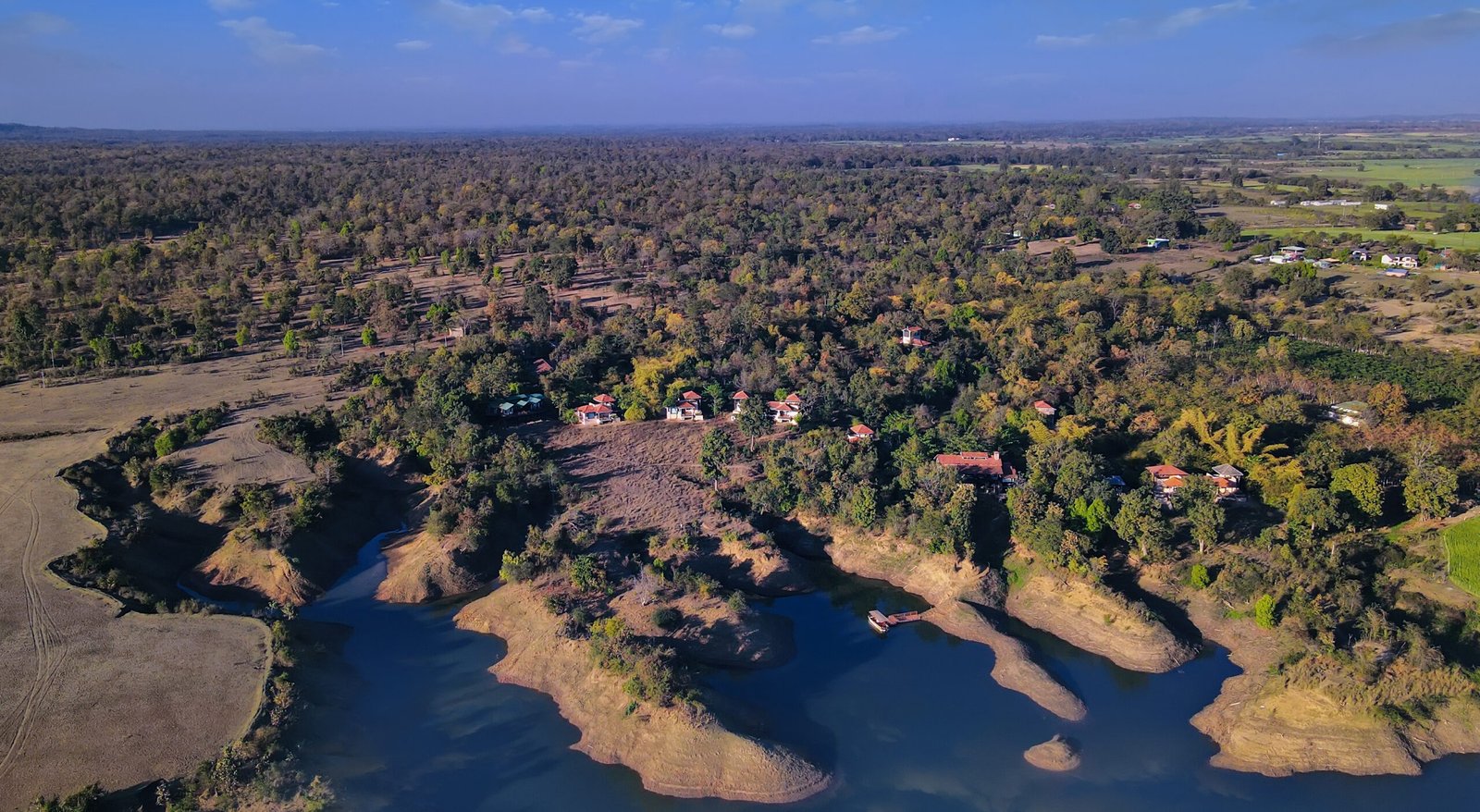
Satpura is one of the most distinctive tiger reserves in India — a rugged, ancient landscape where sandstone mountains, deep ravines, dense teak forests, and the calm Denwa River come together to create a wilderness that feels raw, vast and untouched. Unlike any other Central Indian reserve, Satpura allows exclusive walking safaris, canoe experiences, and quiet, slow-paced exploration of the landscape itself.
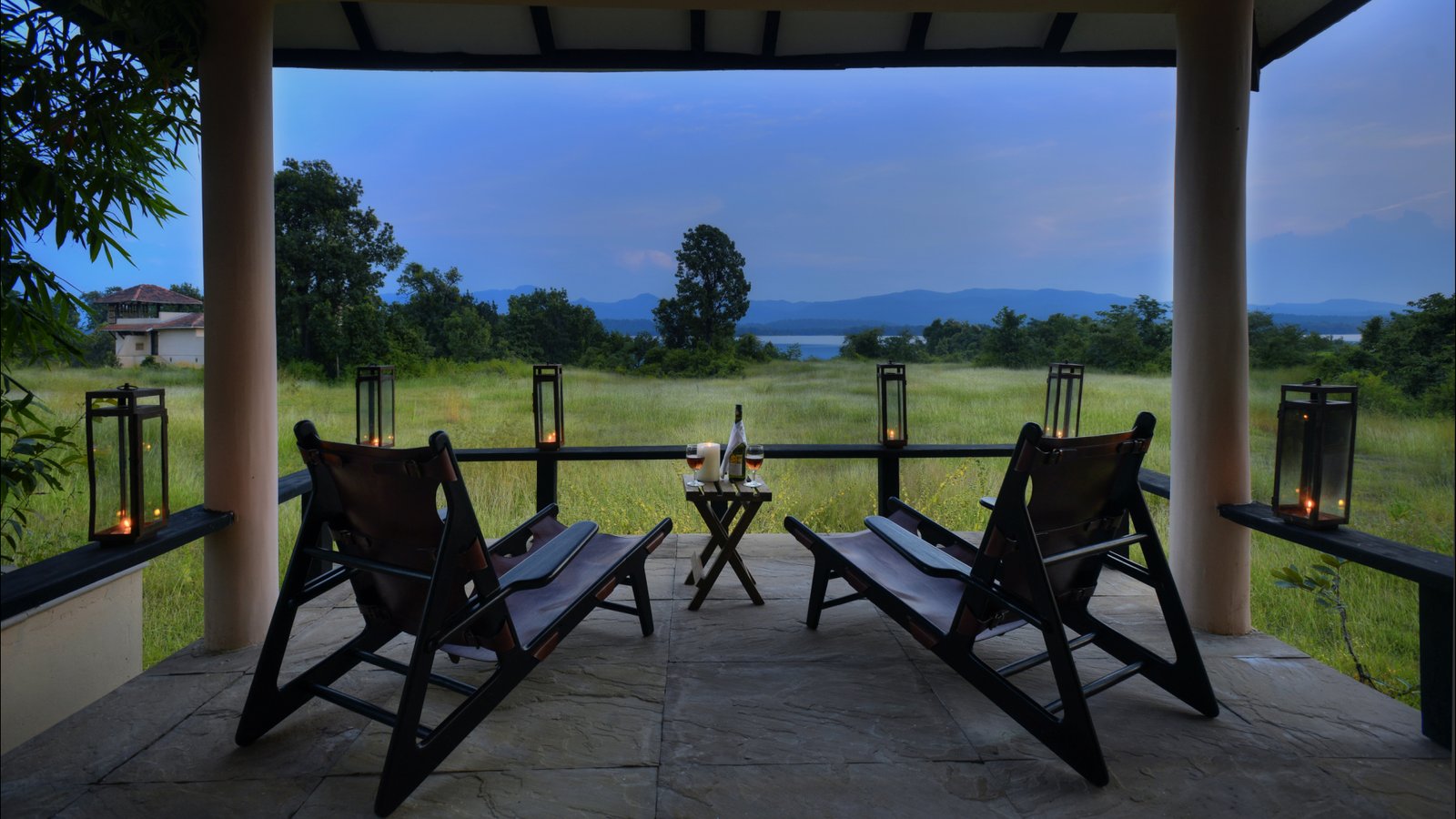
Known for its thriving populations of leopard, sloth bear, wild dogs and herbivores, Satpura offers a more intimate, behaviour-focused safari rather than purely sighting-driven tourism. With Seven Rhinos, the experience becomes a luxury ecological retreat — signature walking and jeep safaris, curated natural history interpretation, refined comfort, and deep immersion in an offbeat landscape that rewards curiosity and awareness.
Location & Access
Nearest Airport: Bhopal — ~130 km (excellent access)
Alternate Airport: Nagpur — ~300 km
Nearest Railway Stations: Pipariya — ~50 km | Itarsi — ~70 km
By Road: Smooth connectivity from Bhopal, Hoshangabad, Itarsi and Pachmarhi
Best Season: October to June
Highlights — What Makes Satpura Extraordinary
India’s finest walking safari destination — rare opportunity in a tiger reserve
High densities of leopard and sloth bear, with frequent quality sightings
A thriving population of Indian giant squirrel, rarely seen elsewhere in Central India
A dramatic landscape: sandstone hills, deep gorges, ravines, dense forests and river ecosystems
Winter: Ideal for walking safaris; crisp mornings, leopard movement on rocky outcrops
Summer: Excellent visibility; sloth bear activity increases, and predator movement becomes more predictable
Post-Monsoon: Lush valleys, flowing streams, abundant birdlife and vibrant insect life
Conservation Notes
Satpura is one of India’s most carefully managed low-impact tourism models, allowing controlled tourism zones, walking permits, canoe routes and guided exploration designed to protect the landscape. Its rugged terrain naturally supports high leopard densities, healthy carnivore guilds and diverse herbivore populations.
Seven Rhinos Luxury Experiences
Signature Walking Safaris — the most intimate way to explore Satpura, guided by expert naturalists
Jeep Safaris through rugged hills, plateaus and riverine forests
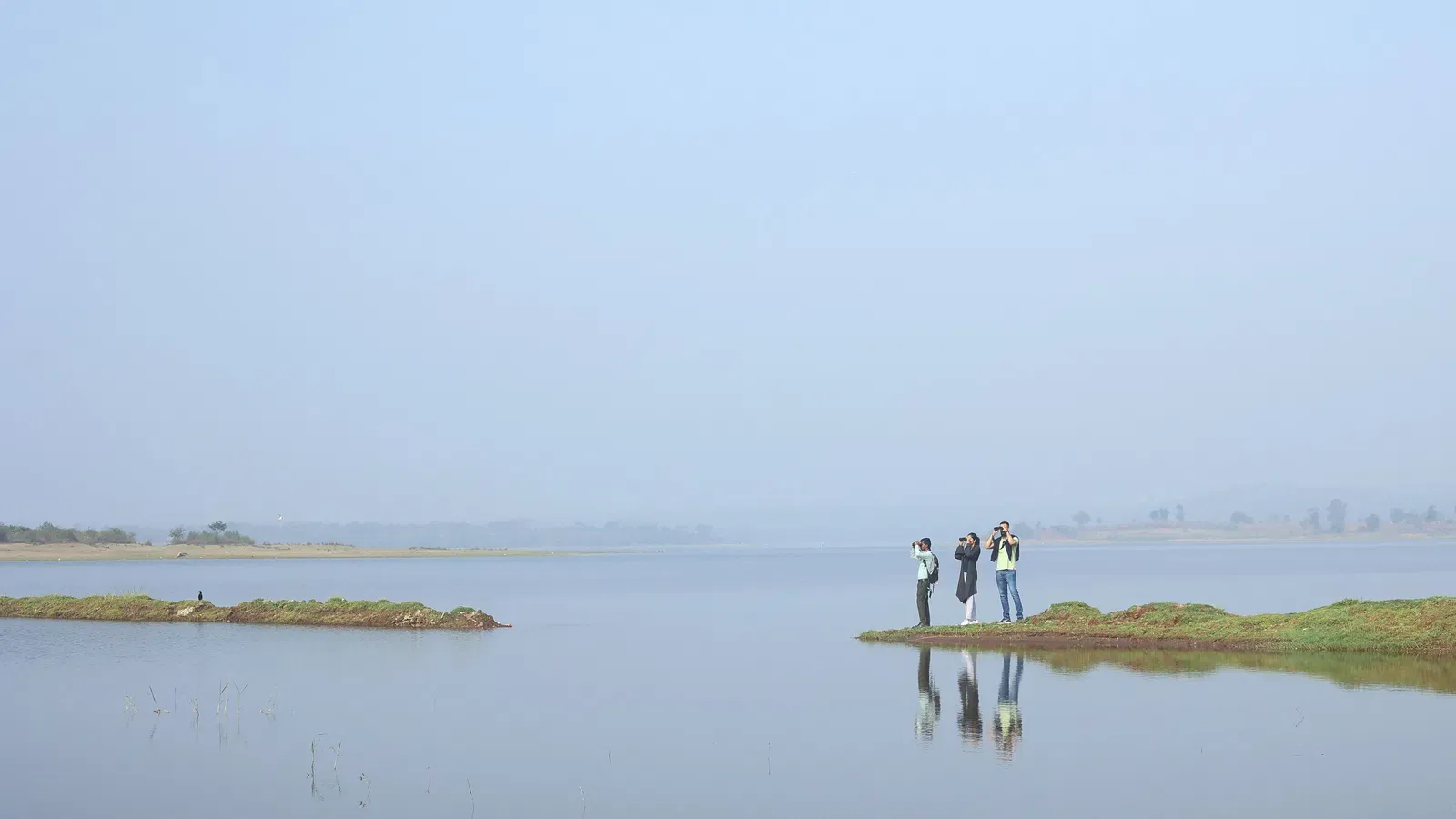
Canoe and Boat Safaris on the Denwa River for waterbirds and unique perspectives
Picnic Breakfasts at scenic viewpoints or riverbanks
Cultural & Historical Explorations: rock shelters, cave art, local Gond traditions
Slow Travel Additions: stargazing, quiet forest time, sunset tea by the river, nature journaling
Ideal for photographers, walking-safari enthusiasts, wildlife researchers and slow travellers who want to explore Satpura’s wilderness at an unhurried pace.
Seasons & Best Time to Visit
Winter (Nov–Feb) Perfect temperatures for walking; atmospheric mornings and excellent leopard & bird activity.
Summer (Mar–Jun) Superb visibility; sloth bears, wild dogs and leopards frequently seen near water.
Photography Insights
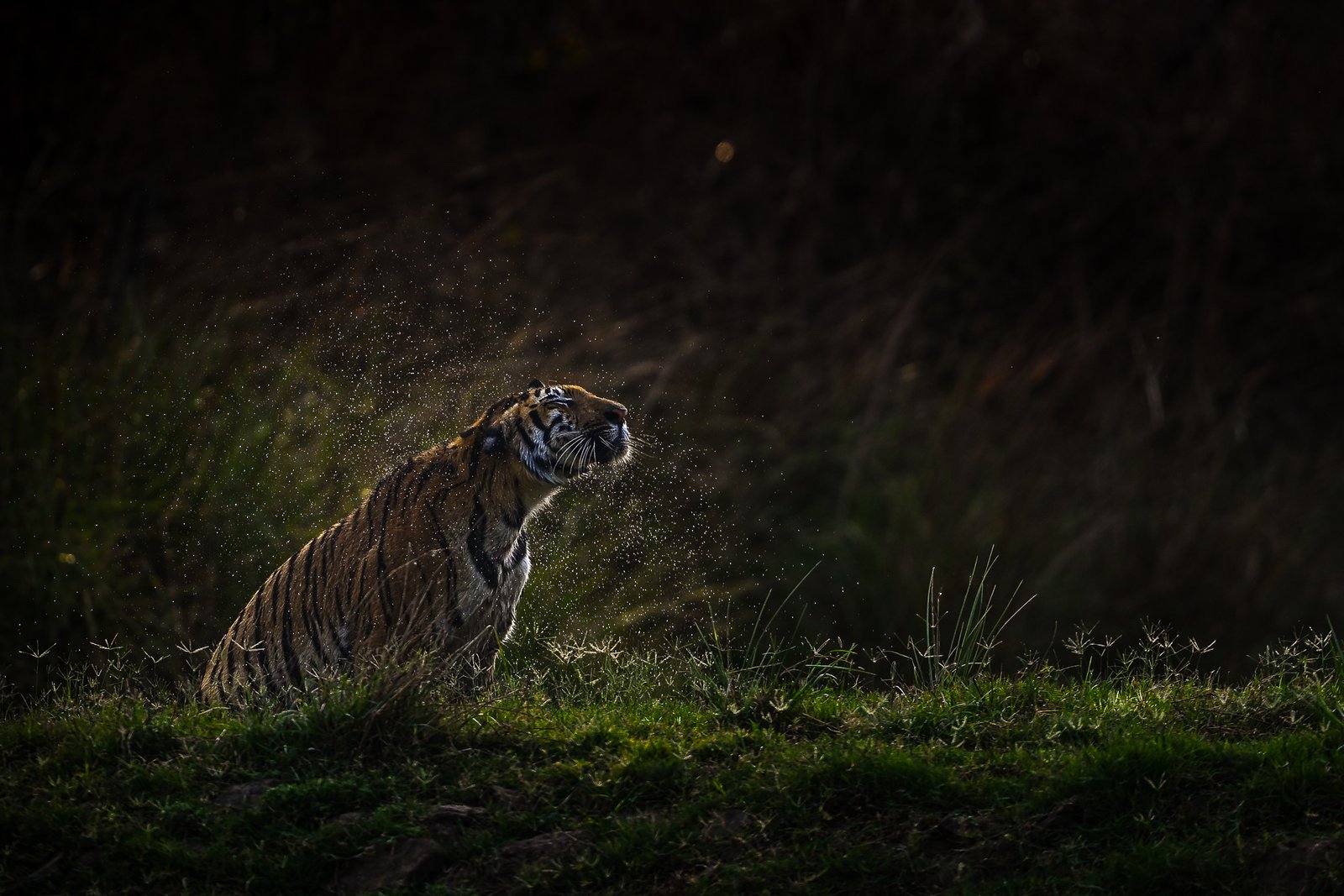
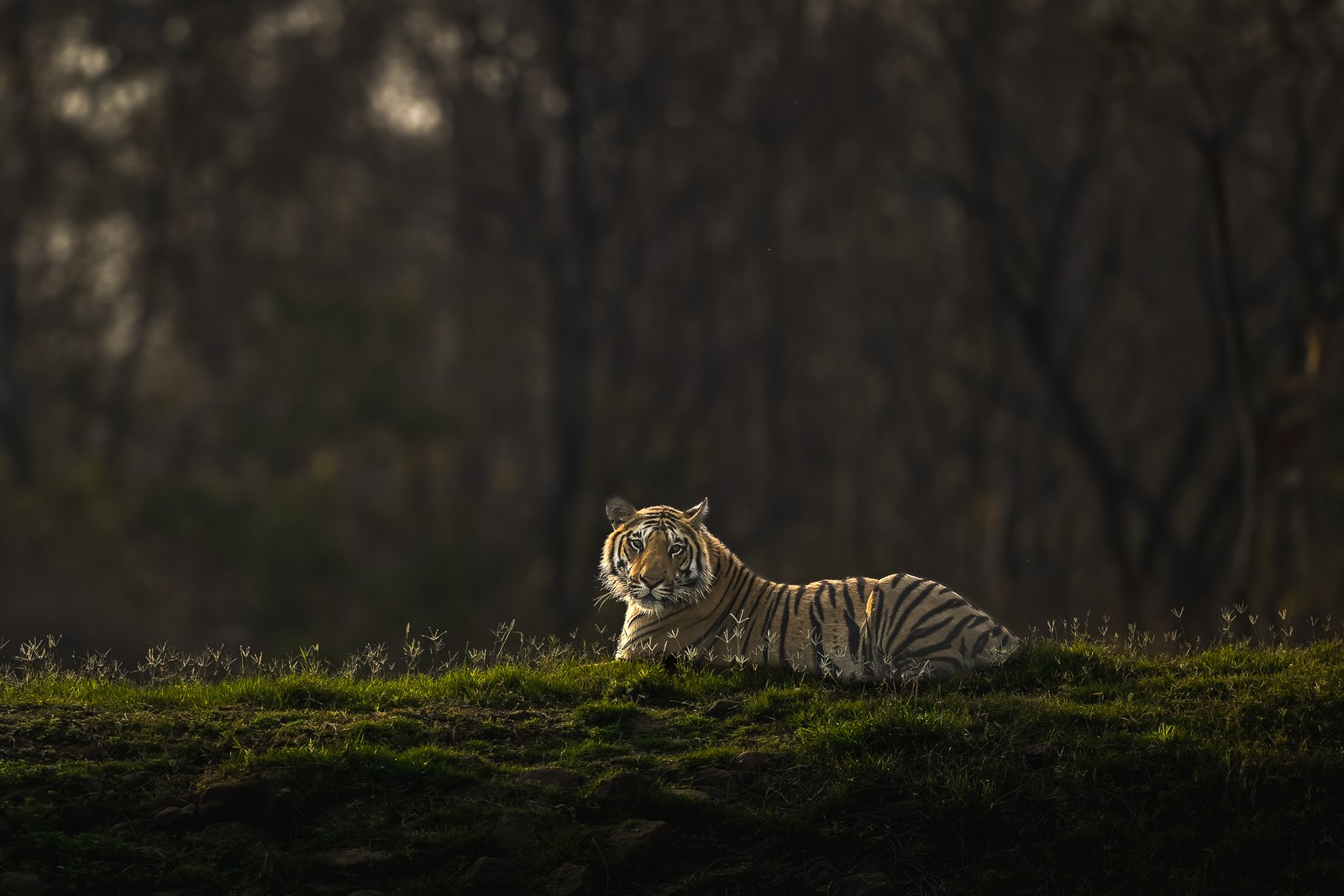
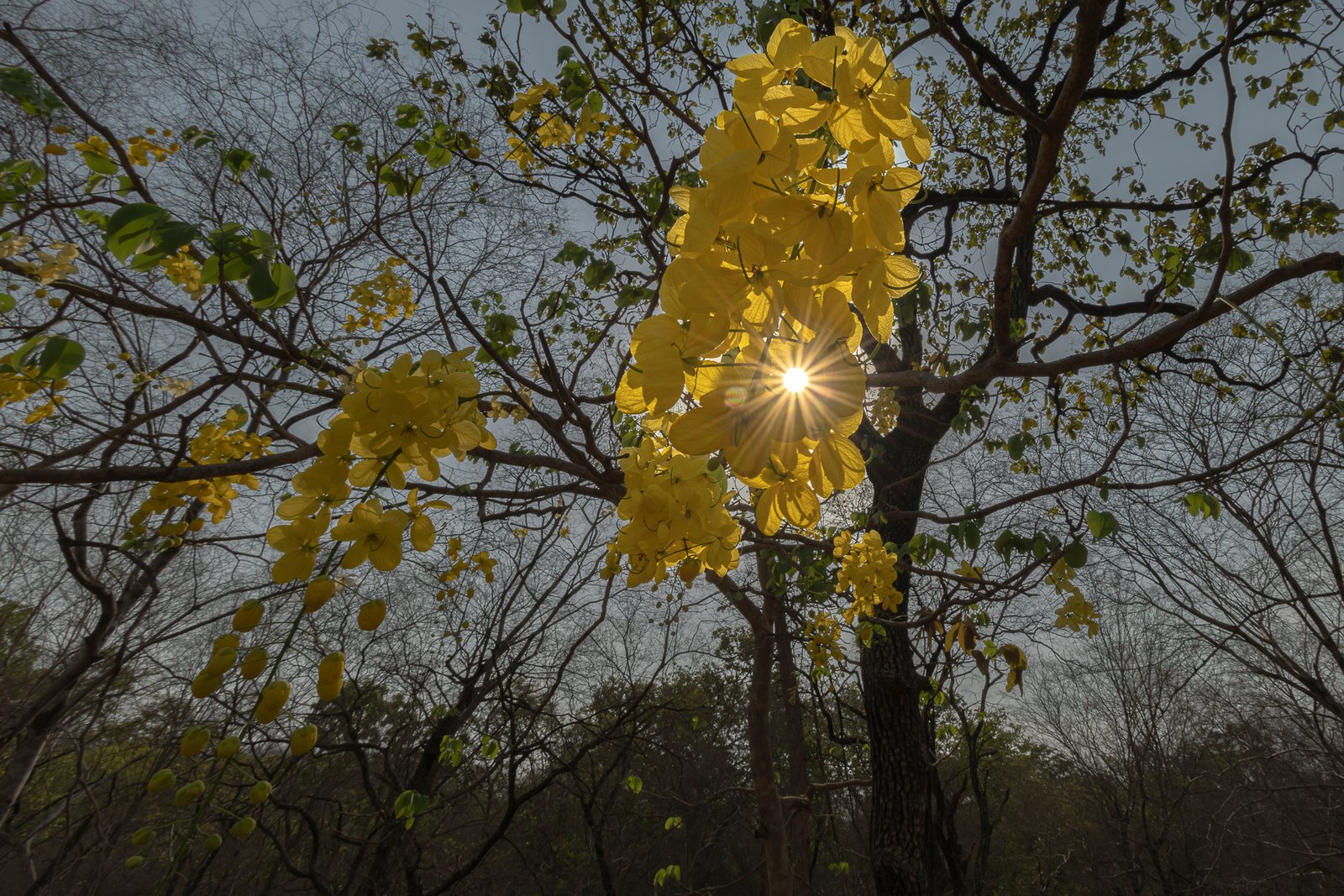
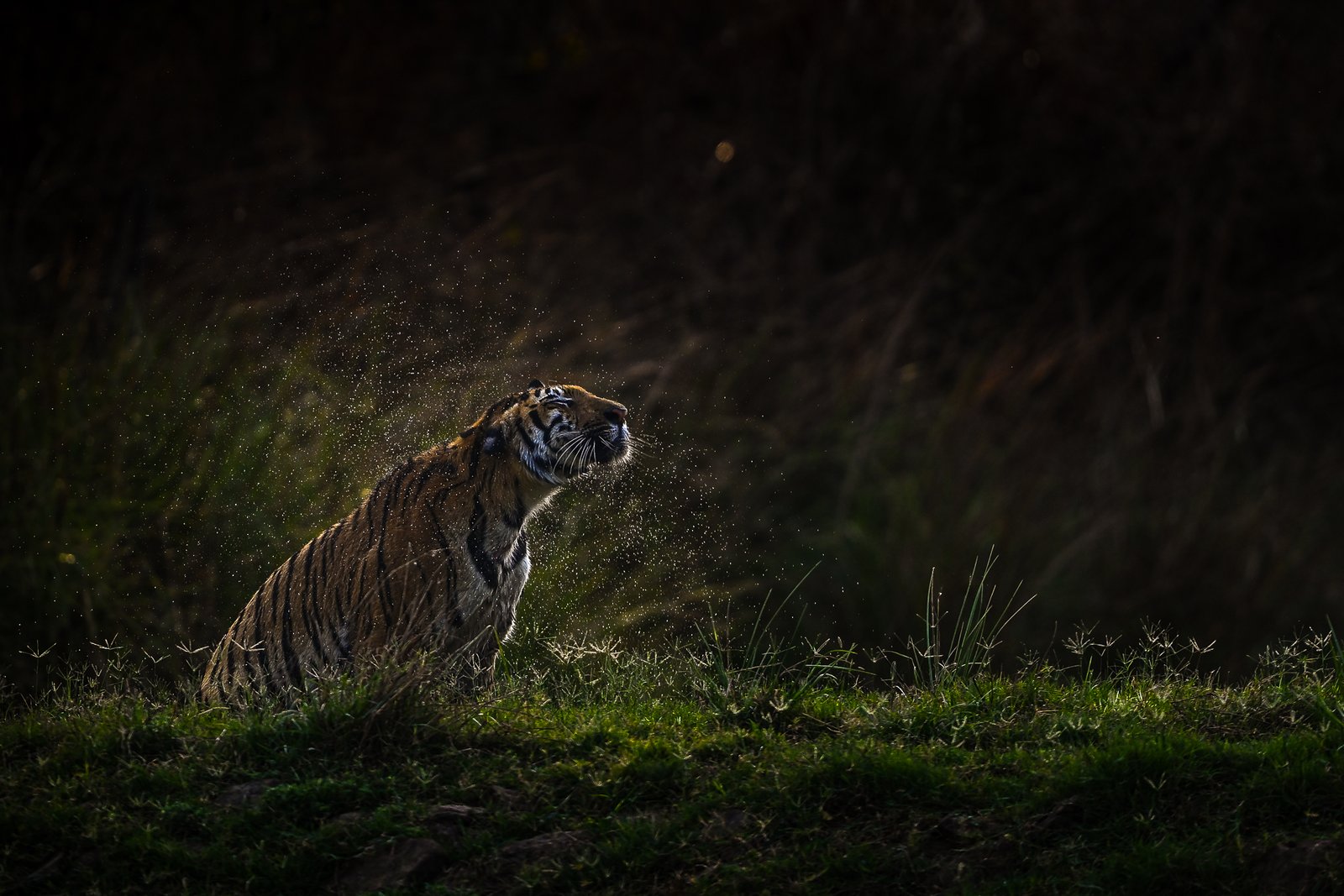
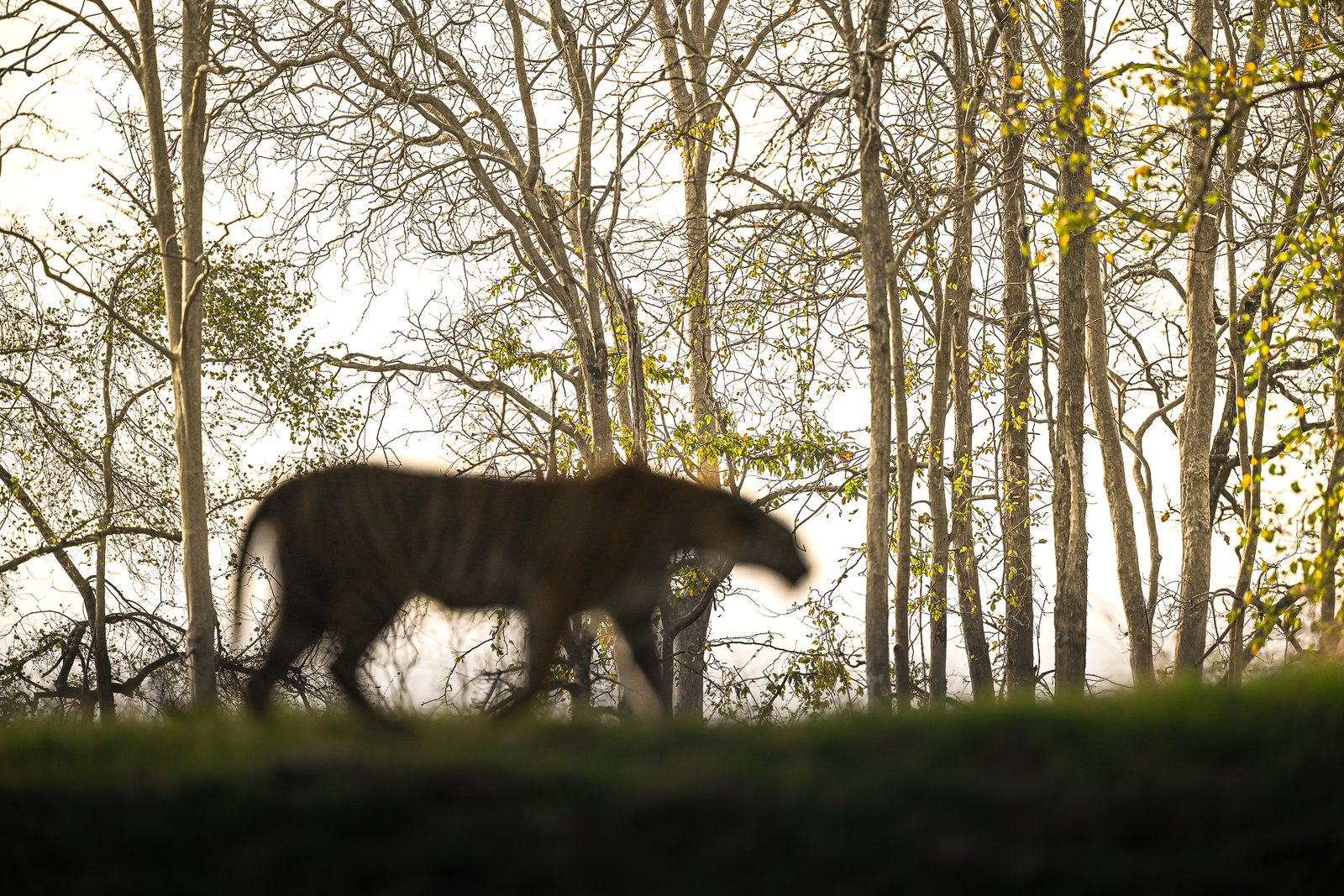
Photography in Satpura is shaped by its massive sandstone formations, river-edge forests, cliffs and walking encounters. Leopards on rocky outcrops, sloth bears crossing open patches, and the interplay of light in teak forests create naturally intimate frames. On-foot experiences offer low-angle, behaviour-rich compositions rarely possible in other reserves. Satpura blends immersive portraits with wide, deeply textured landscapes — perfect for editorial-style storytelling.
Why Travel With Seven Rhinos — The Luxury Advantage
Expert naturalists experienced in walking safaris and tracking
Small-group, low-impact approach that enhances wildlife sensitivity
Ethical, quiet and immersive safari philosophy
Seamless logistics and curated luxury accommodation
Slow-travel focus designed for meaningful, personal experiences
Ideal for couples, photographers, wildlife enthusiasts and explorers seeking offbeat wilderness
Journeys built on deep natural history knowledge, comfort and refined storytelling